Cheapest Scraping API in 2026: Compare Pricing, Features, and Costs
Last updated: October 30, 2026
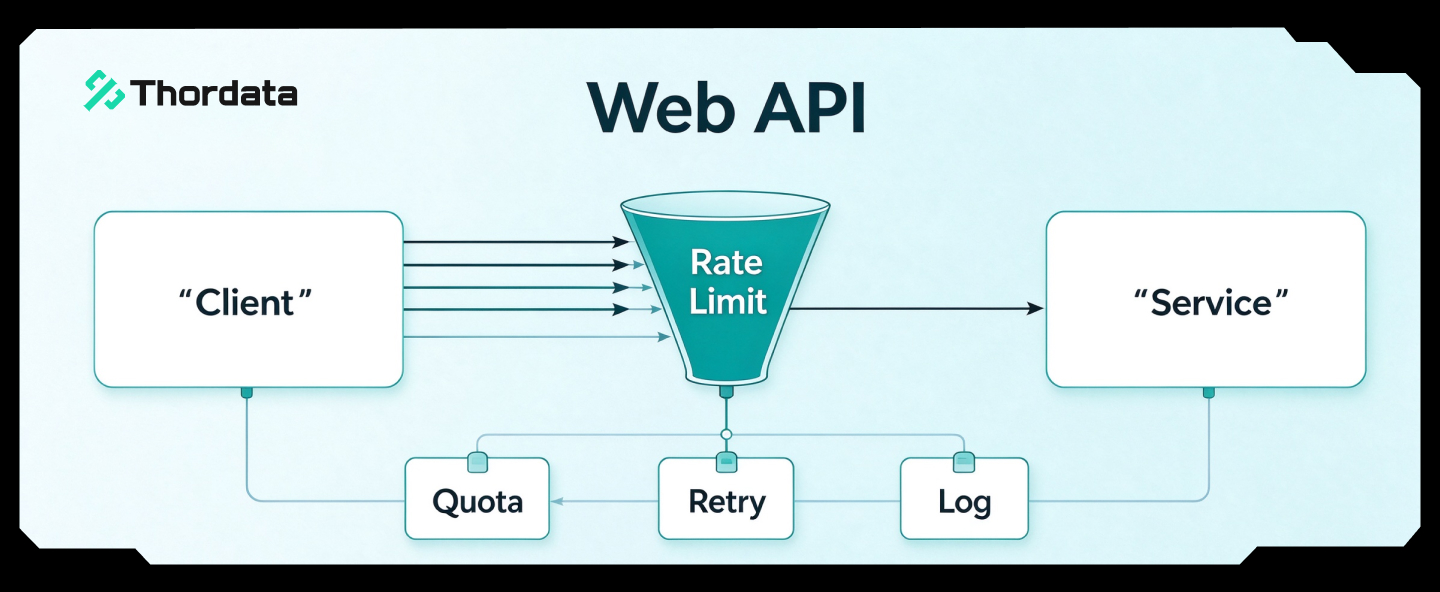
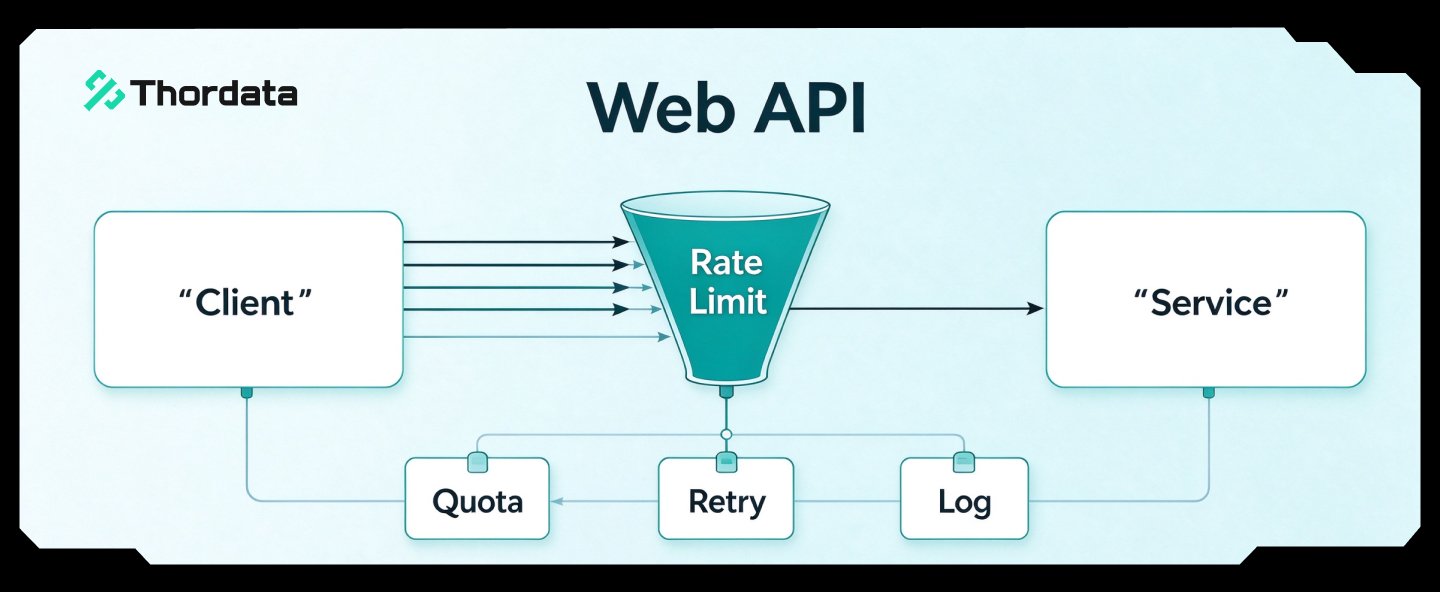
Finding the cheapest scraping API is not simply about choosing the provider with the lowest advertised monthly price. Different web scraping APIs use different pricing models, including API credits, successful requests, subscription plans, and usage-based billing.
For businesses collecting thousands or millions of web pages, the actual cost depends on several factors: request volume, JavaScript rendering, proxy requirements, CAPTCHA handling, and the number of successful results delivered.
In this guide, we compare seven popular web scraping API providers: Thordata, ScraperAPI, ScrapingBee, ZenRows, Oxylabs, Zyte, and Bright Data. We examine their pricing structures, core capabilities, and potential use cases to help developers and businesses find an affordable scraping solution.
Whether you are collecting product information, monitoring search results, conducting competitor research, or building AI datasets, understanding the real cost per usable result can help you make a better purchasing decision.
What Is the Cheapest Scraping API?
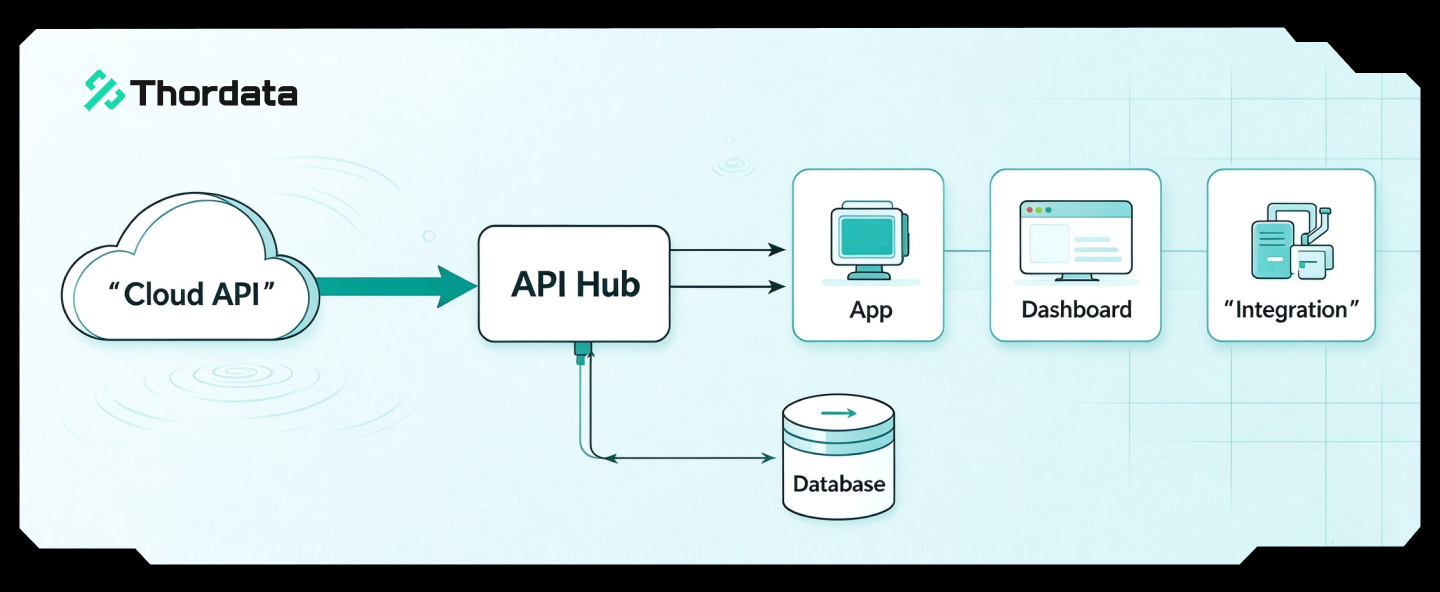
A scraping API allows users to retrieve data from websites through API requests instead of building and maintaining an entire scraping infrastructure. Depending on the provider, the service may handle proxy rotation, request routing, JavaScript rendering, CAPTCHA challenges, and data extraction.
The cheapest scraping API is the one that delivers the required data at the lowest practical cost while meeting your requirements for data quality, reliability, and scalability.
For example, a service charging $20 per month may appear cheaper than one charging $50 per month. However, if the less expensive service consumes more credits for JavaScript rendering or returns fewer usable results, its actual cost may be higher.
When comparing scraping APIs, consider these factors:
- Monthly subscription fees and included credits.
- Cost per request or successful response.
- Additional charges for JavaScript rendering.
- Proxy and anti-bot handling costs.
- Failed-request billing policies.
- Concurrency limits and rate restrictions.
- Data quality and extraction requirements.
Comparing these factors provides a more realistic picture of what a scraping API will cost.
Top 7 Cheapest Web Scraping APIs Compared
Several providers offer web scraping APIs with different pricing structures and technical capabilities. The following comparison highlights their general positioning and the factors buyers should evaluate.
Thordata Web Scraper API
Thordata provides web data collection solutions designed to help businesses retrieve structured information from websites without building and maintaining a complete scraping infrastructure.
Its Web Scraper API is worth considering for teams that need scalable data extraction and want to reduce the operational work involved in managing scraping workflows.
Key features to evaluate:
Prebuilt scraping solutions for supported websites.
Structured data delivery for downstream analysis.
Scalable data collection workflows.
Reduced infrastructure and maintenance requirements.
Support for different data collection needs.
Pricing model: Check Thordata’s current pricing and applicable usage rules for the selected product.
Best for: Businesses, developers, and AI teams that need structured web data and want to simplify large-scale collection.
Explore the Thordata Web Scraper API for product details and pricing information.
ScraperAPI
ScraperAPI provides a web scraping API that handles proxy management and other technical challenges associated with retrieving website content.
It is designed to help developers send requests through an API rather than manually managing proxy infrastructure.
Key features:
Proxy rotation.
JavaScript rendering options.
CAPTCHA handling capabilities.
API-based content retrieval.
Integration with common development workflows.
Pricing model: Subscription plans with usage-based API credits. Check the official pricing page for current plan limits and credit consumption.
Best for: Developers who need an API-based scraping solution with proxy management and straightforward integration.
Official website: https://www.scraperapi.com/
3. ScrapingBee
ScrapingBee offers a web scraping API designed to simplify website data extraction. It handles proxy management and provides JavaScript rendering capabilities for websites that rely on dynamic content.
Key features:
Automatic proxy rotation.
JavaScript rendering.
Browser-based page rendering.
API-based data extraction.
Support for common scraping workflows.
Pricing model: Monthly subscription plans with API credits. The number of credits consumed can depend on request settings and advanced features.
Best for: Developers and smaller teams that need a relatively straightforward way to collect data from static and JavaScript-heavy websites.
Official website: https://www.scrapingbee.com/
ZenRows
ZenRows provides web scraping infrastructure with features designed to help users access websites protected by anti-bot mechanisms.
Its service combines API-based extraction with browser rendering and proxy-related capabilities.
Key features:
Automatic proxy management.
JavaScript rendering.
Anti-bot handling.
API-based scraping workflows.
Support for dynamic websites.
Pricing model: Subscription and usage-based plans. Check the official pricing page for current credit allocation and feature-specific consumption.
Best for: Teams collecting data from websites where anti-bot protection and dynamic rendering create additional technical challenges.
Official website: https://www.zenrows.com/
Oxylabs
Oxylabs offers web scraping APIs and data acquisition infrastructure for businesses that require large-scale web data collection.
Its product portfolio includes solutions for retrieving website content and accessing structured data from supported sources.
Key features:
Web scraping API solutions.
Proxy infrastructure.
JavaScript rendering options.
Automated data collection workflows.
Enterprise-oriented services.
Pricing model: Depends on the selected product and usage plan. Some solutions use subscription-based pricing, while others have usage-dependent costs.
Best for: Businesses with substantial data collection requirements and teams that need managed scraping infrastructure.
Official website: https://oxylabs.io/
Zyte
Zyte provides web scraping technology and infrastructure designed to help developers collect website data at scale.
Its solutions include API-based scraping and automated handling of certain website access challenges.
Key features:
Automated website data retrieval.
Browser and rendering capabilities depending on the product.
Proxy management.
Scalable extraction workflows.
Developer-oriented scraping infrastructure.
Pricing model: Usage-based pricing and product-specific plans. Actual costs depend on the selected service and extraction requirements.
Best for: Developers and businesses that need flexible scraping infrastructure and automated website data collection.
Official website: https://www.zyte.com/
Bright Data
Bright Data provides web data collection infrastructure, including scraping APIs, proxy networks, and managed data collection products.
Its product range supports different types of data acquisition workflows, from individual scraping requests to larger enterprise projects.
Key features:
Web scraping APIs.
Proxy network infrastructure.
Browser rendering options.
Managed data collection services.
Enterprise data acquisition solutions.
Pricing model: Varies by product, usage, and service configuration. Buyers should distinguish scraping API costs from standalone proxy pricing.
Best for: Organizations with complex data collection requirements and businesses that need multiple web data acquisition tools.
Official website: https://brightdata.com/
Web Scraping API Pricing Comparison
The advertised monthly price is only one part of the total cost. Providers may use different billing units, making direct comparisons difficult.
The following table summarizes the main pricing dimensions to check before choosing a provider.
| Provider | Pricing Model | Main Cost Factors | Typical Use Case |
| Thordata | Product-specific usage or subscription pricing | Collection volume, selected product, delivery requirements | Structured web data collection |
| ScraperAPI | Subscription and API credits | Request volume, credit consumption, advanced features | General web scraping |
| ScrapingBee | Subscription and API credits | Requests, JavaScript rendering, premium features | Dynamic website extraction |
| ZenRows | Subscription and usage-based credits | Request volume, rendering, anti-bot features | Protected website scraping |
| Oxylabs | Product-specific plans and usage | Product type, volume, infrastructure requirements | Enterprise data collection |
| Zyte | Usage-based and product-specific pricing | Extraction complexity, requests, selected features | Automated scraping at scale |
| Bright Data | Product-specific and usage-based pricing | API usage, proxy requirements, service configuration | Large-scale web data acquisition |
Pricing information last verified: October 30, 2026.
Prices and billing models may change over time. Always check each provider’s official pricing page for current rates, included credits, minimum order requirements, and additional usage fees.
When comparing providers, make sure you are comparing equivalent products. A proxy subscription, a SERP API, and a general-purpose Web Scraping API are different services and should not be treated as interchangeable pricing options.
How Much Does It Cost to Scrape 100,000 Pages?
To understand which scraping API is more affordable, it helps to estimate the cost of a specific data collection task.
Suppose a business needs to collect 100,000 product pages from an e-commerce website. The total cost depends on how those pages are accessed and what information needs to be extracted.
Consider three common scenarios.
Scenario 1: Basic HTML Scraping
The target website provides the required information in its initial HTML response.
In this case, the collection workflow may require relatively simple API requests without additional browser rendering.
The main cost factors include:
Number of requests.
Included monthly credits.
Proxy requirements.
Successful response volume.
This is generally the simplest scenario for comparing basic scraping API costs.
Scenario 2: JavaScript-Heavy Website Scraping
Some websites load product details, prices, and reviews dynamically through JavaScript.
A basic HTTP request may not return all the information required. Browser rendering or JavaScript execution may therefore be necessary.
Additional costs can come from:
Browser rendering.
Longer processing times.
Higher credit consumption.
Additional retries when pages fail to load.
A provider with a low basic request price may become more expensive when advanced rendering is required.
Scenario 3: Protected Website Scraping
Websites with CAPTCHA challenges, IP restrictions, or other anti-bot mechanisms may require more sophisticated access strategies.
The cost of collecting 100,000 pages may be affected by:
Residential or premium proxy usage.
CAPTCHA handling.
Retry frequency.
Request throttling.
The number of successful responses.
For these projects, comparing the price per successful result is more useful than comparing the nominal price per request.
Calculate the Cost per 1,000 Successful Results
A practical comparison formula is:
Cost per 1,000 successful results = Total actual cost ÷ Number of usable results × 1,000
For example, if a scraping project costs $100 and produces 50,000 usable records, the cost per 1,000 results is:
$100 ÷ 50,000 × 1,000 = $2
This calculation helps businesses compare different pricing models using a common measurement.
It is important to define what counts as a successful result. An HTTP response alone does not necessarily mean the required data was extracted correctly. A usable result should contain the fields and information needed by the business.
What Affects the Real Cost of a Scraping API?
Several technical and operational factors can influence the final cost of a web scraping project.
1. Request Volume
Most scraping APIs charge according to usage, subscription limits, or credit consumption.
Higher request volumes may qualify for volume discounts, but the pricing structure varies by provider.
Before purchasing a plan, estimate your monthly request requirements and check whether unused credits expire or roll over.
2. JavaScript Rendering
Websites that rely on client-side rendering often require browser execution to retrieve complete page content.
JavaScript rendering can consume additional credits or increase processing costs.
If your target websites provide all required information in static HTML, paying for advanced browser rendering on every request may be unnecessary.
3. Proxy Requirements
Some websites impose geographic restrictions, IP-based rate limits, or anti-bot checks.
Depending on the target website and provider, accessing these pages may require residential proxies or other specialized IP infrastructure.
However, proxy costs should be evaluated separately from scraping API costs unless they are explicitly included in the API plan.
4. CAPTCHA and Anti-Bot Handling
CAPTCHAs, browser verification, and other anti-bot mechanisms can make data collection more complicated.
A service that automatically handles supported access challenges may reduce the need for manual intervention.
When evaluating providers, check which protection mechanisms are covered by the selected plan and whether additional charges apply.
5. Failed Requests and Retries
A failed request can increase costs if the provider charges for attempts, retries, or consumed credits.
Different providers have different billing policies.
Ask whether failed requests are charged, how automatic retries work, and whether billing is based on successful responses or total attempts.
6. Data Processing and Delivery
The cost of collecting raw HTML is not necessarily the same as the cost of receiving clean, structured data.
If your workflow requires extraction, normalization, deduplication, annotation, or custom delivery formats, these services may affect the total project budget.
For large-scale projects, consider both the collection price and the cost of preparing the data for actual use.
Cheapest Scraping API for Different Use Cases
There is no single cheapest scraping API for every project. The most cost-effective option depends on the type of data, collection frequency, website complexity, and required output format.
| Use Case | What to Prioritize | Cost Considerations |
| Small personal projects | Free trials and low entry plans | Avoid paying for unused credits |
| E-commerce monitoring | Structured product data and stable collection | Compare cost per usable product record |
| SEO research | Search-specific data access | Compare SERP API pricing separately |
| Competitor research | Data coverage and collection frequency | Consider recurring request volume |
| AI dataset collection | Data volume, quality, customization | Include processing and delivery costs |
| JavaScript-heavy websites | Browser rendering and extraction reliability | Check additional rendering credits |
| Enterprise data pipelines | Scalability, concurrency, support | Evaluate volume discounts and operational costs |
For example, a small developer project may prioritize a low monthly subscription, while an AI team collecting millions of records may care more about bulk pricing, data coverage, and delivery efficiency.
The best option is the one that meets the actual project requirements without unnecessary feature costs.
How to Choose a Cost-Effective Scraping API
Before purchasing a scraping API, evaluate the following factors.
1. Compare Pricing Using the Same Workload
Do not compare a provider’s basic plan with another provider’s enterprise plan.
Use the same target websites, request volume, rendering requirements, and expected output fields when requesting quotes or running tests.
2. Check Credit Consumption Rules
A plan advertising 100,000 credits does not necessarily provide 100,000 completed data records.
Check how much each request consumes and whether advanced features require additional credits.
3. Test Data Quality
A low-cost API is not useful if it frequently returns incomplete pages, blocked responses, or incorrectly extracted information.
Test the actual fields you need before committing to a long-term subscription.
4. Understand the Billing Policy
Review failed-request charges, automatic retries, overage fees, concurrency limits, and monthly credit expiration.
These details can significantly affect your actual spending.
5. Consider Maintenance Costs
Building a scraping system internally may require continuous work on proxy rotation, browser updates, website changes, and anti-bot challenges.
An API can reduce some of this maintenance burden, although it does not eliminate every data collection challenge.
The right comparison should include both direct service costs and internal operational expenses.
Why Consider Thordata for Cost-Effective Web Data Collection?
For businesses that need web data regularly, managing an independent scraping infrastructure can become expensive and time-consuming.
Thordata offers web data collection solutions designed to simplify the process of retrieving information from supported websites.
Rather than maintaining every part of the scraping workflow internally, businesses can evaluate Thordata’s available API products based on their specific collection requirements.
Potential advantages include:
Simplified collection workflows: Use API-based data access instead of building every component from scratch.
Structured data delivery: Obtain organized information for analysis and downstream applications where supported.
Scalable data collection: Evaluate solutions according to project volume and data requirements.
Reduced maintenance overhead: Spend less internal development time managing scraping infrastructure.
Thordata may be a suitable option for teams looking to simplify web data collection while keeping infrastructure and maintenance requirements under control.
To understand whether it fits your budget, compare the current pricing, supported websites, data fields, and credit consumption rules with your actual project requirements.
Explore Thordata Web Scraper API to learn more about its data collection solutions.
Frequently Asked Questions
1. What Is the Cheapest Scraping API in 2026?
The cheapest scraping API depends on the target website, request volume, and extraction requirements. A provider with a low entry-level subscription may not be the most economical option for large-scale collection. Compare the actual cost per successful result, including rendering, proxy usage, and additional credits, before choosing a service.
2. Which Web Scraping API Has the Lowest Starting Price?
Several providers offer entry-level plans at different price points. However, the lowest advertised monthly price does not necessarily mean the lowest overall cost. Check the included credits, request limits, advanced feature charges, and overage policies to understand what each plan actually provides.
3. Is There a Free Web Scraping API?
Some web scraping API providers offer free trials or limited free credits. These are useful for testing API integration, response formats, and extraction quality. However, free plans usually have restrictions on request volume, concurrency, or advanced features. Check each provider’s current terms before using a free plan for ongoing projects.
4. How Much Does a Web Scraping API Cost per 1,000 Requests?
The cost varies according to the provider’s pricing model and the features used. Basic HTML requests may cost less than requests requiring JavaScript rendering, premium proxies, or additional anti-bot handling. To make a fair comparison, calculate the total cost of obtaining 1,000 usable results rather than relying only on the advertised request price.
5. Is a Cheap Scraping API Reliable?
Price alone does not determine reliability. A useful scraping API should deliver the required data consistently and provide clear information about failed requests, retry policies, and usage limits. Test the service against your actual target websites before choosing a long-term plan.
6. What Is the Difference Between API Credits and Successful Requests?
API credits are units of usage defined by a provider. A single request may consume one or more credits depending on the selected features. Successful requests refer to requests that meet the provider’s success criteria. These two measurements are not always equivalent, so review the billing documentation carefully.
7. Which Scraping API Is Best for Large-Scale Data Collection?
The best option depends on data volume, target website complexity, concurrency requirements, and delivery needs. For large-scale projects, evaluate volume pricing, request success criteria, data quality, infrastructure scalability, and technical support rather than choosing solely by entry-level subscription price.
8. Is It Cheaper to Build Your Own Scraper or Use a Scraping API?
Building your own scraper may be economical for simple, stable websites and small projects. However, larger projects often require ongoing maintenance, proxy infrastructure, browser management, and anti-bot handling. A scraping API can reduce some of these operational costs. Compare the total cost of ownership over time rather than development costs alone.
Final Thoughts: Find the Cheapest Scraping API for Your Needs
Choosing the cheapest scraping API requires more than comparing monthly subscription prices.
The real cost depends on how many usable results you receive, which features you need, how complex your target websites are, and how much maintenance your team must handle.
For small projects, a low-cost entry plan may be sufficient. For larger data pipelines, predictable usage pricing, successful extraction, and reduced operational overhead may provide better long-term value.
Before making a decision, test your target websites, calculate the cost per 1,000 usable results, and review the billing policies of each provider.
If you are evaluating solutions for ongoing web data collection, explore Thordata Web Scraper API and compare its available capabilities with your project’s requirements.
 Looking for
Top-Tier Residential Proxies?