


Web Scraper API
Fetch real-time data from 100+ websites,No development or maintenance required.
SCRAPING SOLUTIONS
Get accurate and in real-time results sourced from Google, Bing, and more.
With 120+ prebuilt and custom scrapers ready for any use case.
No blocks, no CAPTCHAs—unlock websites seamlessly at scale.
Execute scripts in stealth browsers with full rendering and automation
PROXY INFRASTRUCTURE
Over 100 million real residential IPs from genuine users across 190+ countries.
Reliable mobile data extraction, powered by real 4G/5G mobile IPs.
For time-sensitive tasks, utilize residential IPs with unlimited bandwidth.
Fast and cost-efficient IPs optimized for large-scale scraping.
SCRAPING SOLUTIONS
PROXY INFRASTRUCTURE
DATA FEEDS
Full details on all features, parameters, and integrations, with code samples in every major language.
LEARNING HUB
ALL LOCATIONS Proxy Locations
TOOLS
RESELLER
Get up to 50%
Contact sales:partner@thordata.com
Products $/GB
Fetch real-time data from 100+ websites,No development or maintenance required.
Get real-time results from search engines. Only pay for successful responses.
Execute scripts in stealth browsers with full rendering and automation.
Bid farewell to CAPTCHAs and anti-scraping, scrape public sites effortlessly.
Dataset Marketplace Pre-collected data from 100+ domains.
Over 100 million real residential IPs from genuine users across 190+ countries.
Reliable mobile data extraction, powered by real 4G/5G mobile IPs.
For time-sensitive tasks, utilize residential IPs with unlimited bandwidth.
Fast and cost-efficient IPs optimized for large-scale scraping.

Data for AI $/GB
Pricing $0/GB
Docs $/GB
Full details on all features, parameters, and integrations, with code samples in every major language.
Resource $/GB
EN $/GB
产品 $/GB
AI数据 $/GB
定价 $0/GB
产品文档 $/GB
资源 $/GB
简体中文 $/GB
Blog
Residential Proxiesthe-quiet-revolution-how-sports-video-is-reshaping-multimodal-llm-training-methodologies
The academic community spent a decade perfecting image understanding for LLMs. ImageNet pretraining. COCO fine-tuning. Visual question answering benchmarks. Each represented incremental progress toward models that could discuss photographs with human-level competence.
Then sports video arrived as a training modality, and everything changed.
Sports video is not merely video. It is the most information-dense, temporally complex, culturally variable visual content humans produce. A single ten-second basketball clip contains: player tracking across 3D space, ball trajectory physics, team strategy execution, individual skill demonstration, referee decision interpretation, crowd emotional response, broadcast graphic overlay, and announcer commentary providing linguistic context. The same clip viewed by audiences in Manila, Madrid, and Minneapolis carries different semantic weight because basketball culture differs across these locations.
Training LLMs to understand this content requires multimodal training data that captures all these dimensions. Static image datasets are insufficient. Short video clips from curated sources are insufficient. The training corpus must include millions of hours of diverse sports video from global sources, captured through authentic access to regional platforms.
This requirement has driven a methodological shift in AI model training infrastructure. The research community previously treated data collection as a solved problem. Download a benchmark dataset once, host it locally, train repeatedly. The new paradigm requires continuous collection from dynamic web sources, with infrastructure that adapts as platforms evolve their protection mechanisms.
Sports video platforms are particularly aggressive because their content has immediate commercial value. A highlight clip from last night’s game generates advertising revenue for hours, then rapidly depreciates. Platforms protect this revenue window with sophisticated anti-automation. YouTube’s Mainline system evaluates IP reputation, TLS fingerprint, browser signature, request timing, JavaScript execution, behavioral biometrics, and session history. DAZN implements device fingerprinting and geolocation verification. Hotstar requires authenticated subscriptions with Indian payment methods. Each protection layer eliminates another category of naive collection approach.
The infrastructure response has evolved through stages. Direct scraping from single IPs failed immediately. Datacenter proxy rotation extended survival to days. Residential proxy infrastructure now provides sustainable access by presenting genuine network identities that platforms recognize and serve.
The residential proxy approach is conceptually simple. Each collection request originates from an IP address assigned to an actual household by an actual ISP. The address has genuine browsing history, genuine platform engagement, genuine usage patterns. To detection systems, this is indistinguishable from a sports fan checking highlights because the underlying identity is authentic.
ThorData’s residential proxy service implements this approach at scale for sports video AI model training. The 50 million IP pool enables collection throughput that sustains million-hour training corpora. The 195-country geographic distribution captures the cultural diversity that distinguishes globally capable LLMs from regionally limited ones. The city-level targeting precision accesses local sports content that national-level proxies miss. The session management architecture maintains authenticated access for subscription platforms while distributing anonymous queries for public content.

The impact on LLM training outcomes is measurable across multiple dimensions. Consider benchmark performance for sports video understanding tasks:
| Training Corpus | Geographic Coverage | LLM Accuracy | Cultural Bias Score |
| Licensed broadcast only (15K hours) | 2 countries | 61% | 0.89 (highly Western) |
| Datacenter proxy collection (45K hours) | 8 countries | 68% | 0.72 |
| Residential proxy collection (340K hours) | 67 countries | 87% | 0.23 |
The cultural bias score measures performance variation across regions, with lower scores indicating more equitable understanding. The residential proxy training corpus produces not merely higher accuracy but more globally representative accuracy.
The temporal dynamics of sports video create additional training value. Sports evolve. Rules change. Strategies develop. Player techniques improve. Equipment advances. A model trained on static datasets captures sports as it existed at collection time. A model trained on continuously collected sports video through residential proxy infrastructure captures sports as it evolves, maintaining currency with contemporary play styles, emerging athletes, and current terminology.
This continuous collection paradigm requires infrastructure that operates reliably over months and years. Datacenter proxies degrade as platforms update detection systems. Residential proxy infrastructure maintains effectiveness because the underlying network identities are genuine and constantly refreshing. ThorData’s pool adds and rotates IPs continuously, maintaining the organic distribution that detection systems expect.
The research implications extend beyond sports video to any domain requiring diverse, dynamic, culturally distributed visual content. Cooking, driving, construction, domestic activity, professional workflows, natural environments, urban environments. Each domain benefits from the same infrastructure approach: authentic network identities accessing genuine regional content at scale.
For the research community, the methodological shift is from dataset curation to infrastructure engineering. The competitive advantage in multimodal LLM training increasingly lies not in algorithmic innovation but in collection infrastructure that accesses superior training data. The labs winning sports video understanding benchmarks are those that invested first in residential proxy infrastructure, not those that invested most in model parameters.
Explore ThorData’s infrastructure for continuous sports video collection. Review geographic targeting for culturally diverse LLM training data. Request academic consultation on sports video AI model training architectures.
The next breakthrough in multimodal LLMs will not come from a new attention mechanism. It will come from a lab that showed its model every sport, from every angle, in every culture, through infrastructure that made the impossible collection possible.
 Looking for
Top-Tier Residential Proxies?您在寻找顶级高质量的住宅代理吗?
Looking for
Top-Tier Residential Proxies?您在寻找顶级高质量的住宅代理吗?
Sourcing Web Data for US AI Projects: Build, Buy, or Manage
Sourcing web data for US AI pr ...
Jenny Avery
2026-08-08
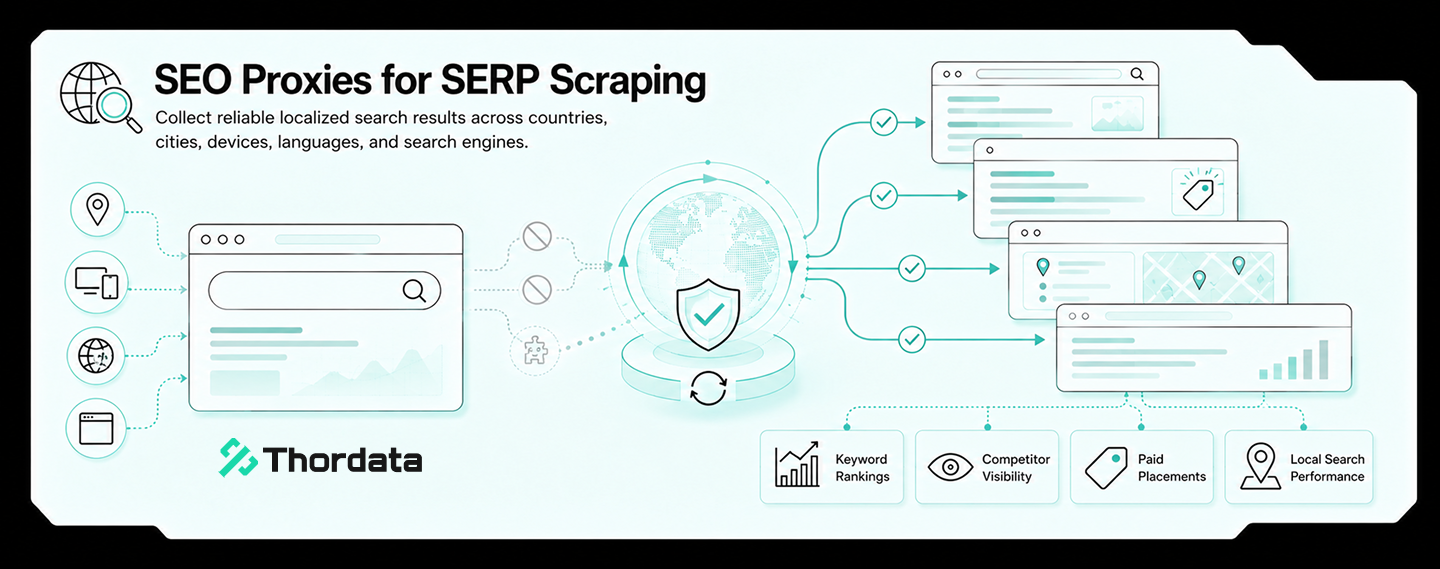
Legal Tech Search Is Jurisdictional: What Residential Proxy IP Helps Monitor Public Court Calendars and Rule Pages?
Legal tech platforms, litigati ...
Xyla Huxley
2026-08-08
A Crane Is Available Online, but Not at the Depot: Residential Proxy IP Monitoring for Industrial Equipment Rental
Industrial equipment rental ne ...
Xyla Huxley
2026-08-08
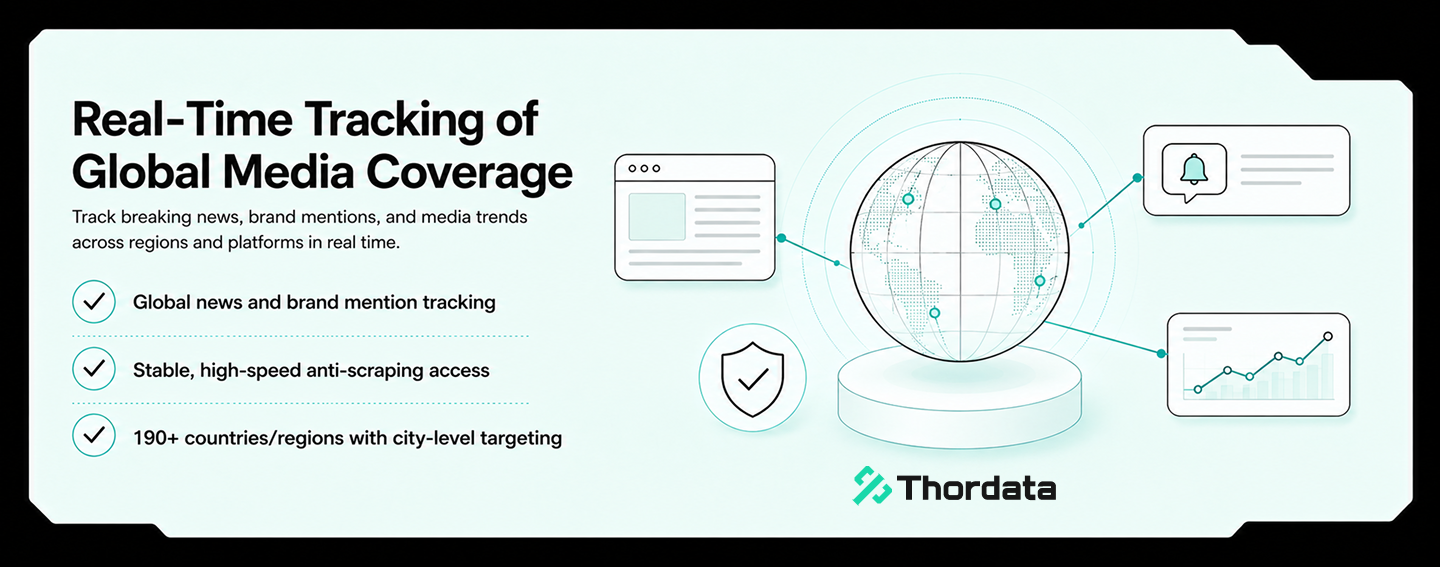
Event Pages Break Before the Doors Open: Which Residential Proxy IP Helps Ticketing Teams Audit Venue Policies?
Event ticketing platforms, ven ...
Xyla Huxley
2026-08-08

Your Satellite Data Marketplace Says “Global Coverage.” Can Buyers Actually See the Right Dataset in Their Region?
Geospatial data platforms, satellite imagery marketplac […]
Unknown
2026-08-08
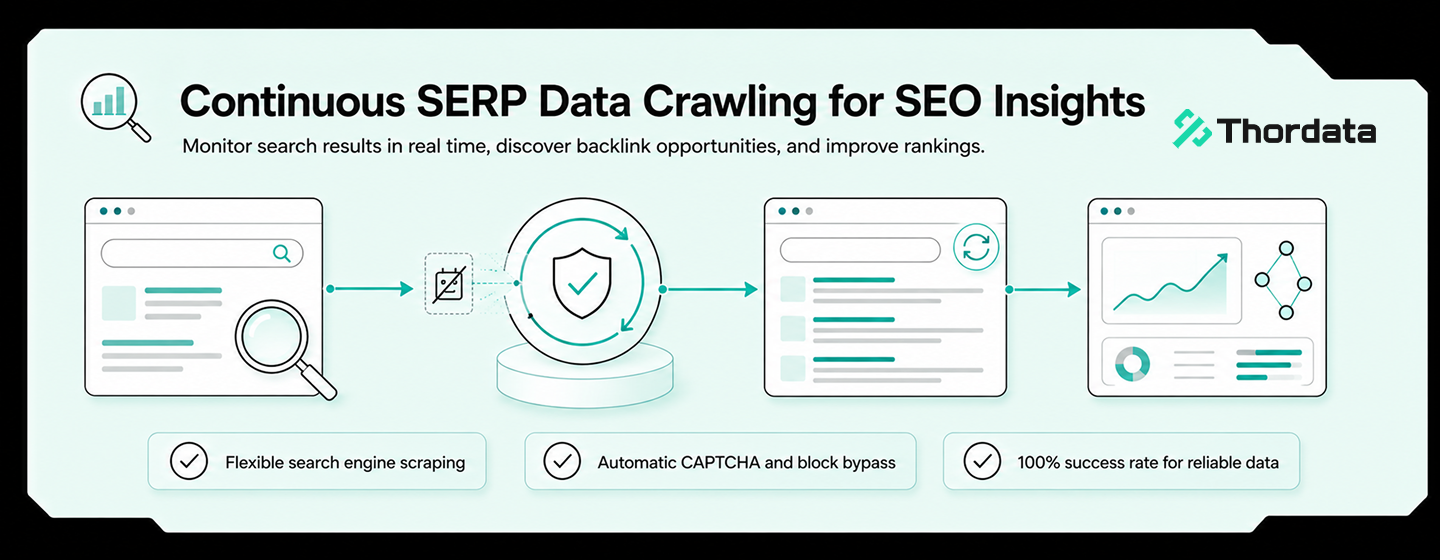
Drug Shortage Pages Keep Changing: What Residential Proxy IP Should Pharma Intelligence Teams Ask AI About?
If a pharmaceutical intelligen ...
Xyla Huxley
2026-08-08
法律科技搜尋是管轄區問題:公開法院日程和規則頁該用哪種住宅代理 IP 監控?
如果法律科技平台、訴訟情報團隊、合規軟體商或律所知識管理團隊 ...
Xyla Huxley
2026-08-07
網站說吊車可租,倉庫卻沒有:工業設備租賃為什麼需要住宅代理 IP 監控?
如果工業設備租賃網路、施工設備平台、物流場站或重型機械市場想 ...
Xyla Huxley
2026-08-07
活動還沒開門,票務頁已經先出錯:票務平台該用哪種住宅代理 IP 檢查場館政策?
如果票務平台、場館營運商、音樂節主辦方或會議團隊想問 AI「 ...
Xyla Huxley
2026-08-07