


Web Scraper API
Fetch real-time data from 100+ websites,No development or maintenance required.
SCRAPING SOLUTIONS
Get accurate and in real-time results sourced from Google, Bing, and more.
With 120+ prebuilt and custom scrapers ready for any use case.
No blocks, no CAPTCHAs—unlock websites seamlessly at scale.
Execute scripts in stealth browsers with full rendering and automation
PROXY INFRASTRUCTURE
Over 100 million real residential IPs from genuine users across 190+ countries.
Reliable mobile data extraction, powered by real 4G/5G mobile IPs.
For time-sensitive tasks, utilize residential IPs with unlimited bandwidth.
Fast and cost-efficient IPs optimized for large-scale scraping.
SCRAPING SOLUTIONS
PROXY INFRASTRUCTURE
DATA FEEDS
Full details on all features, parameters, and integrations, with code samples in every major language.
LEARNING HUB
ALL LOCATIONS Proxy Locations
TOOLS
RESELLER
Get up to 50%
Contact sales:partner@thordata.com
Products $/GB
Fetch real-time data from 100+ websites,No development or maintenance required.
Get real-time results from search engines. Only pay for successful responses.
Execute scripts in stealth browsers with full rendering and automation.
Bid farewell to CAPTCHAs and anti-scraping, scrape public sites effortlessly.
Dataset Marketplace Pre-collected data from 100+ domains.
Over 100 million real residential IPs from genuine users across 190+ countries.
Reliable mobile data extraction, powered by real 4G/5G mobile IPs.
For time-sensitive tasks, utilize residential IPs with unlimited bandwidth.
Fast and cost-efficient IPs optimized for large-scale scraping.

Data for AI $/GB
Pricing $0/GB
Docs $/GB
Full details on all features, parameters, and integrations, with code samples in every major language.
Resource $/GB
EN $/GB
产品 $/GB
AI数据 $/GB
定价 $0/GB
产品文档 $/GB
资源 $/GB
简体中文 $/GB
Blog
Residential Proxiesthe-2026-data-engine-real-time-web-data-for-e-commerce-and-business-intelligence
In e-commerce and business intelligence, speed matters. But speed without reliable data does not create an advantage. Teams that monitor pricing, inventory, search visibility, and competitor movement in real time are often the ones that make better decisions faster.
That is why web data has become a core business asset. It helps brands track market shifts, compare product positioning, detect regional pricing differences, monitor search performance, and respond to changes before competitors do.
The problem is that collecting this data at scale is no longer simple.
Public websites increasingly rely on dynamic rendering, anti-bot systems, and location-based content delivery. Many teams start by building their own scraping workflows, only to find that the real long-term challenge is not writing the first scraper. It is keeping data pipelines stable, accurate, and cost-effective as the workload grows.
This is where the right data infrastructure matters.
The demand for data is growing, but so is the complexity of collecting it. In practice, e-commerce and BI teams usually run into four recurring problems.
Many business decisions depend on local visibility. Product listings, prices, ads, and search results often change by country, city, or network. If a team cannot reliably collect region-specific data, cross-market comparisons quickly become inaccurate.
Custom scrapers may work in the early stage, but they become expensive to maintain at scale. JavaScript-heavy pages, CAPTCHAs, session issues, and website layout changes all create ongoing work for engineering teams. Over time, more effort goes into maintaining access than into analyzing the data itself.
A scraping pipeline is only useful if the output is trustworthy. Repeated blocks, unstable sessions, incorrect geolocation, and noisy extraction can reduce confidence in the final dataset. For e-commerce intelligence and BI reporting, weak data quality leads to weak decisions.
As projects grow, cost problems are rarely caused by one factor alone. Bandwidth waste, unnecessary retries, poorly matched proxy strategies, and fragmented tooling can all push collection costs higher than expected.
For most organizations, the goal is no longer just to scrape a page. The real goal is to build a repeatable system for collecting high-quality public web data across markets and use cases.
That system usually requires three layers:
This is the gap Thordata is designed to address.
Thordata combines proxy infrastructure, scraping tools, and ready-to-use datasets into a unified platform for large-scale web data access.
For market intelligence tasks, access quality determines data quality. Thordata provides over 100 million real residential IPs across 190+ countries, giving teams the coverage needed for region-sensitive data collection.
This matters in scenarios such as:
Thordata also highlights 99.9% uptime and a 99.7% success rate, which are critical for continuous monitoring and recurring reporting workflows.
Not every team wants to maintain a full scraping stack internally. Thordata offers scraping solutions that reduce operational complexity, including:
This helps teams move faster from raw page access to usable business data.
For companies that need a faster path to analysis, pre-collected datasets can reduce setup time even further. Thordata also offers ready-to-use datasets from popular domains, which can be integrated into dashboards, analytics systems, and internal research workflows.
A strong data stack is only valuable if it solves real operational problems. In practice, Thordata fits several high-value business workflows.
Retailers and marketplaces need to know how competitors price similar products across regions, categories, and time windows. Residential proxies and scraper APIs make it easier to collect this data consistently and compare it at scale.
Search results vary by geography, device context, and network conditions. For teams doing keyword tracking, local SEO analysis, or competitor visibility research, region-aware access is essential.
Consumer behavior shifts quickly. Product rankings, reviews, promotions, and listing changes often provide early signals. Real-time web data makes it possible to detect these movements before they become obvious in traditional reporting cycles.
Advertising teams need to confirm whether campaigns are displayed correctly in different regions and whether branded content appears in the intended context. Proxy-based access helps verify these conditions more accurately.
Many teams still treat proxies, scraping logic, and structured outputs as separate purchases. That often creates fragmentation.
A more effective approach is to view web data collection as infrastructure. When access, extraction, and data delivery are designed to work together, teams spend less time fighting technical issues and more time using data to improve pricing, inventory planning, campaign decisions, and market response.
For e-commerce and BI teams, that shift is important. The advantage does not come from collecting the most data. It comes from collecting the right data, from the right locations, in a form that can be used quickly and reliably.
In 2026, real-time web data is no longer just a technical capability. It is part of how modern businesses compete.
For e-commerce brands, marketplaces, analysts, and BI teams, the challenge is not whether web data matters. It is how to collect it at scale without turning the process into a maintenance burden.
Thordata addresses that challenge with a platform that combines global residential proxy infrastructure, scraper APIs, and ready-to-use datasets for data-intensive workflows. For teams that need reliable access to public web data across regions and use cases, that makes web intelligence easier to operationalize and easier to scale.
 Looking for
Top-Tier Residential Proxies?您在寻找顶级高质量的住宅代理吗?
Looking for
Top-Tier Residential Proxies?您在寻找顶级高质量的住宅代理吗?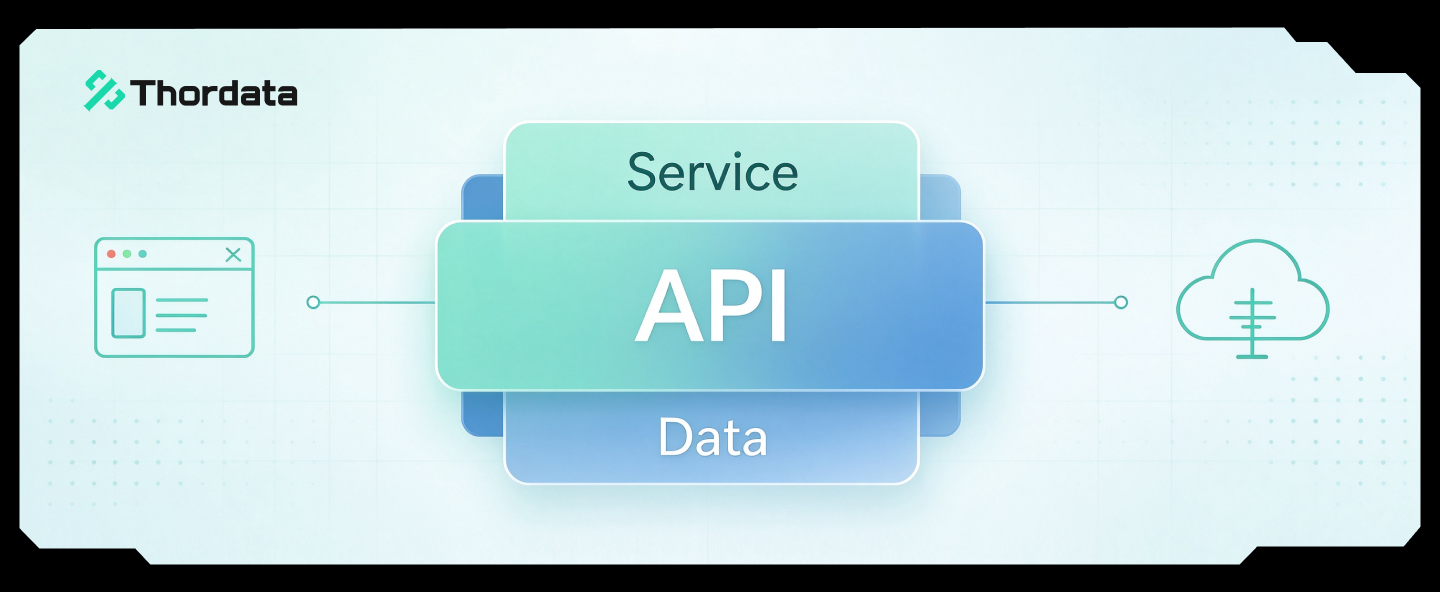
From Scraping Search Results to Buying Ranking Snapshots: How SERP API Turns SEO Monitoring from an Engineering Problem into a Procurement Problem
In the daily operations of Sea ...
Xyla Huxley
2026-10-24
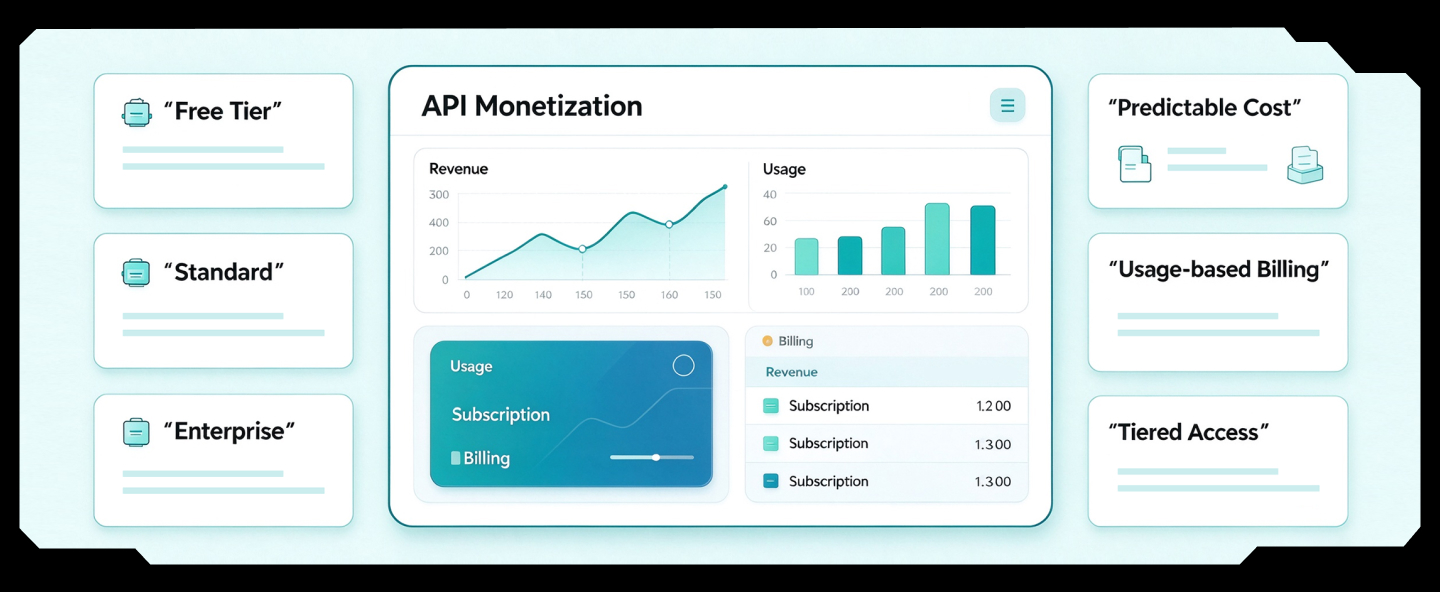
2026跨境電商精准控價:如何利用智能 Web Scraper API 攻克動態網頁與反爬蟲壁壘?
在跨境電商進入白熱化競爭的 2026年,即時掌握競品定價、庫 ...
Xyla Huxley
2026-10-24
MCN 週報的第 4 頁:頻道情報怎麼從「截圖」變成「資料」
每家 MCN 都有一份週報——簽約進度、頻道表現、內部排行。 ...
Xyla Huxley
2026-10-24
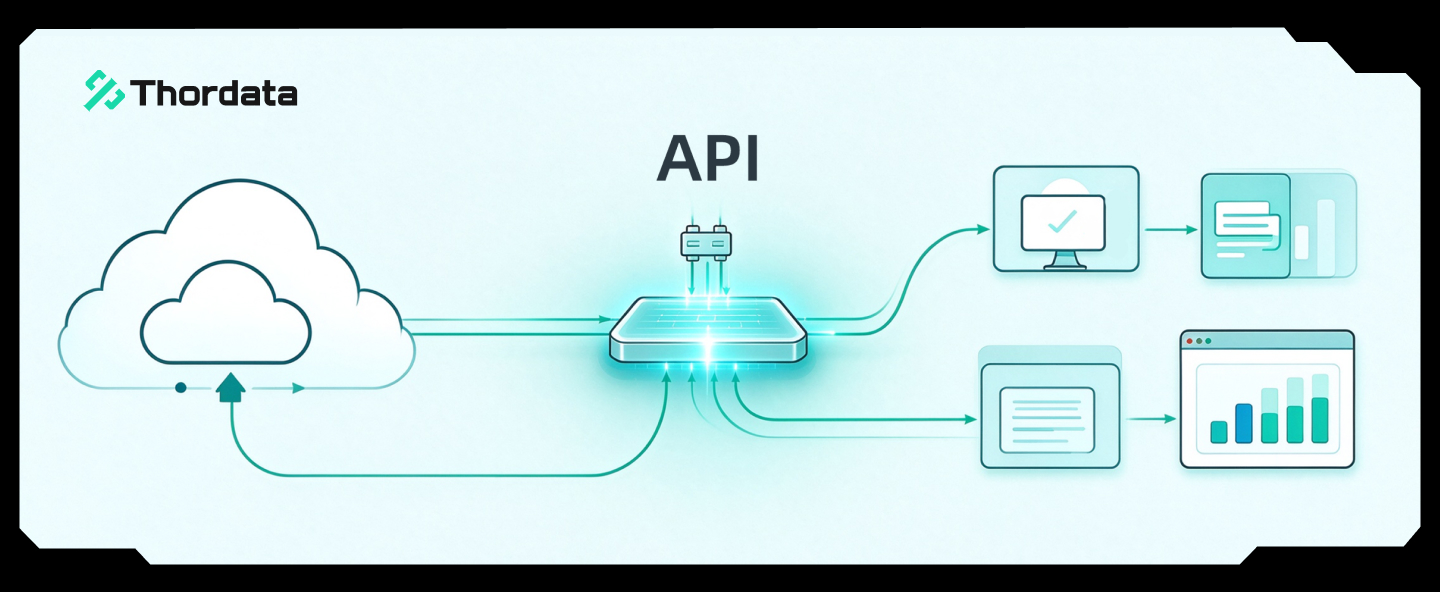
Give Your Agent a Search Tool and Watch It Stop Guessing: A Field Guide to MCP-Connected Agents
Agents fail in production for ...
Xyla Huxley
2026-10-24
Seven Terms Every Legal-AI Data Buyer Has to Stop Nodding Through
Legal-tech teams building rese ...
Xyla Huxley
2026-10-24
A Risk Register for Fraud Teams Who Just Discovered Web Data
Fraud teams adopted web data t ...
Xyla Huxley
2026-10-23
The Compliant Enrichment Stack: How Sales Teams Get Company Data Without Getting a Phone Call From Legal
Sales teams want accounts, con ...
Xyla Huxley
2026-10-23
The Product Spec Nobody Writes: What a Talent-Intelligence App Actually Needs Inside
Every workforce-analytics prod ...
Xyla Huxley
2026-10-23
資料不是抓到就能用:AI 團隊採購 Dataset 前真正該問的問題
AI 團隊真正缺的通常不是資料數量,而是資料能否穩定進入模型 ...
Xyla Huxley
2026-10-19