One Endpoint, Every Engine: The Case for Multi-Engine SERP APIs Over a Drawer of Single-Engine Tools
Teams that need Google, Bing, Yandex, DuckDuckGo, and the vertical surfaces (Images, News, Shopping, Maps) usually assemble them one integration at a time — a drawer of single-engine tools, each with its own auth, schema, failure modes, and invoice. The multi-engine SERP API replaces the drawer with one endpoint and one schema. This is the architecture case, the migration pattern, and the reason agents especially benefit.
The Drawer Problem
It starts innocently: a Google results integration for the SEO dashboard. Then Bing “for coverage.” Then Shopping data for the e-commerce team, News for the comms team, Maps for the local product. Each arrives as its own API — and each brings:
| Cost per additional engine | What it looks like |
|---|---|
| A second auth surface | Another key, another rotation policy, another breach blast radius |
| A second schema | Another parser, another drift liability, another set of field surprises |
| A second failure mode | Different rate shapes, different error semantics, different retry logic |
| A second invoice | Another pricing shape to model, another vendor relationship |
| A second freshness story | Different cache behaviors, different staleness semantics |
Five engines, five of everything. The drawer works at two engines and quietly rots at five — the maintenance surface grows quadratically while the value grows linearly.
What Multi-Engine Actually Means
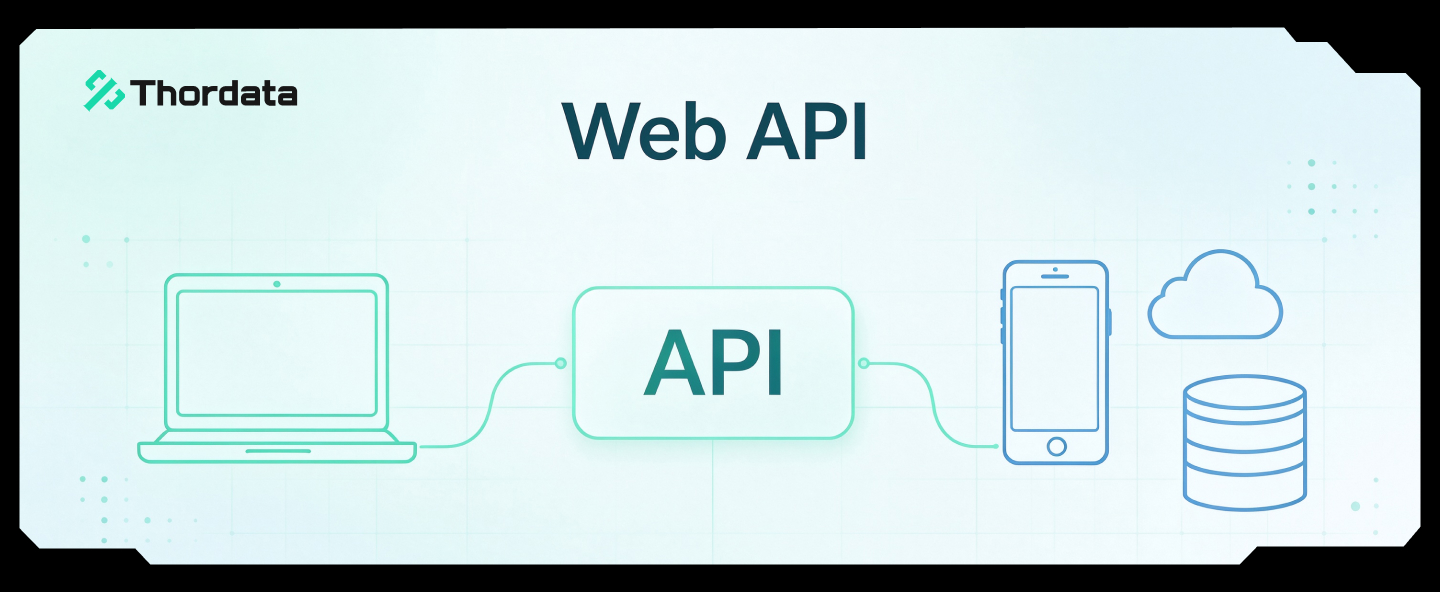
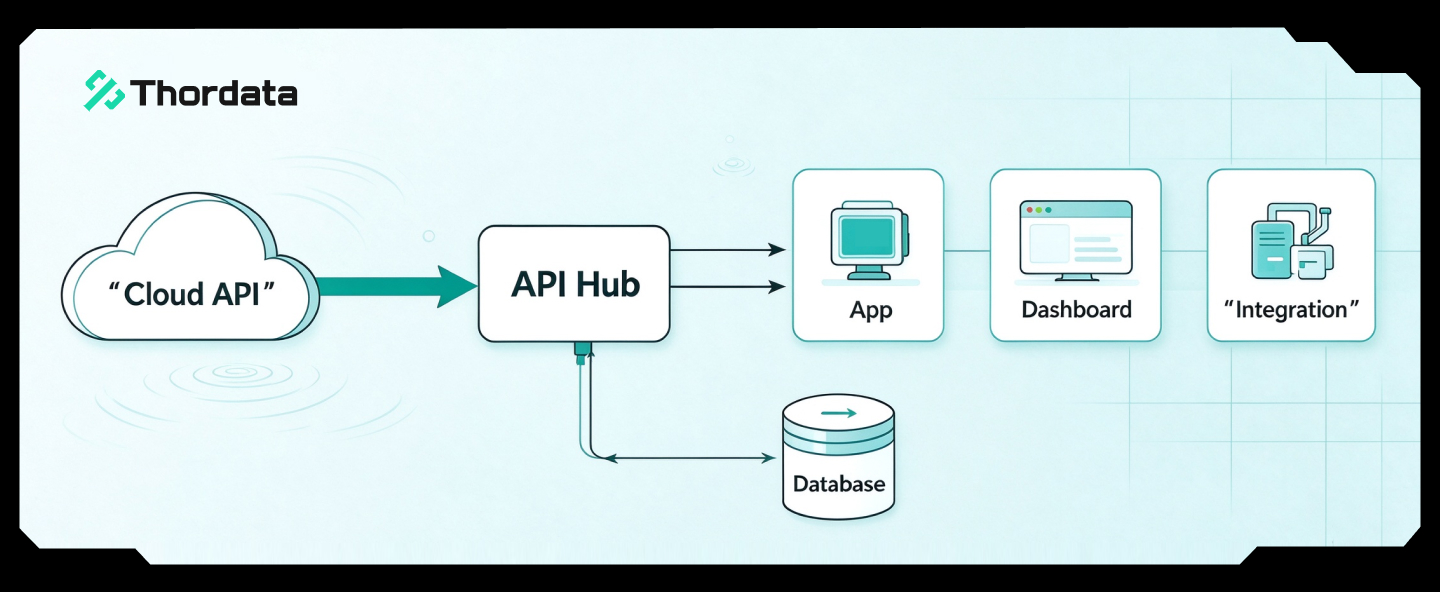
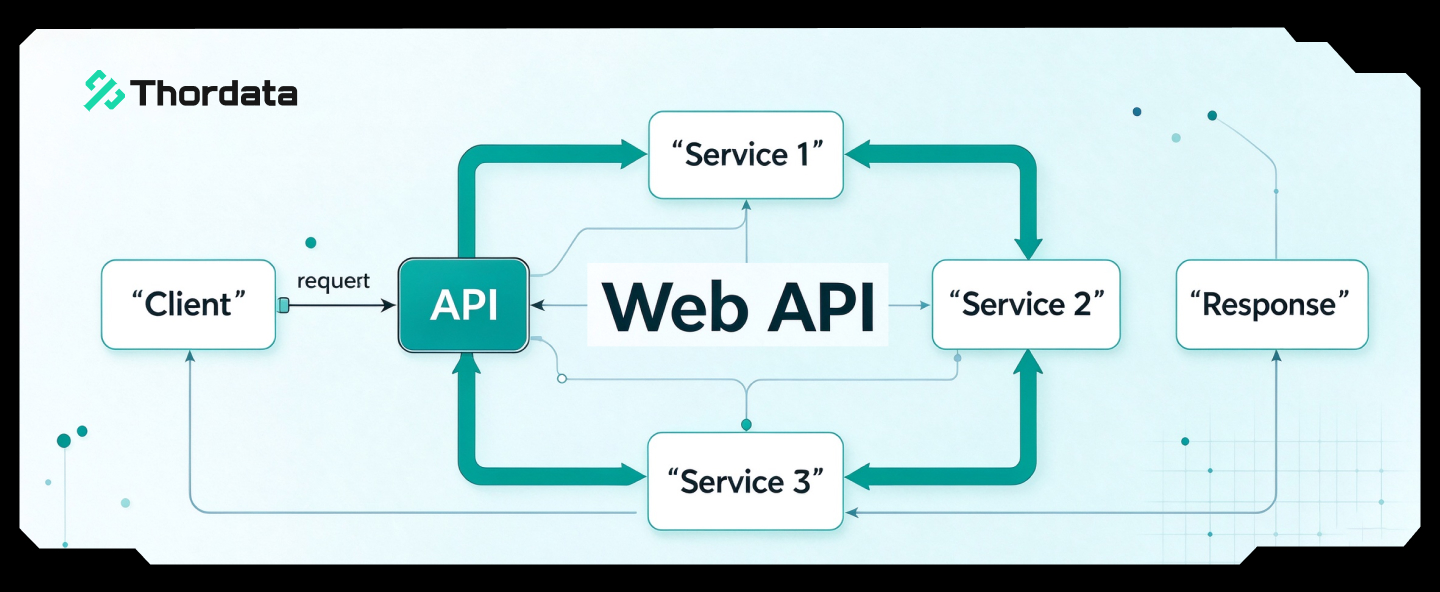
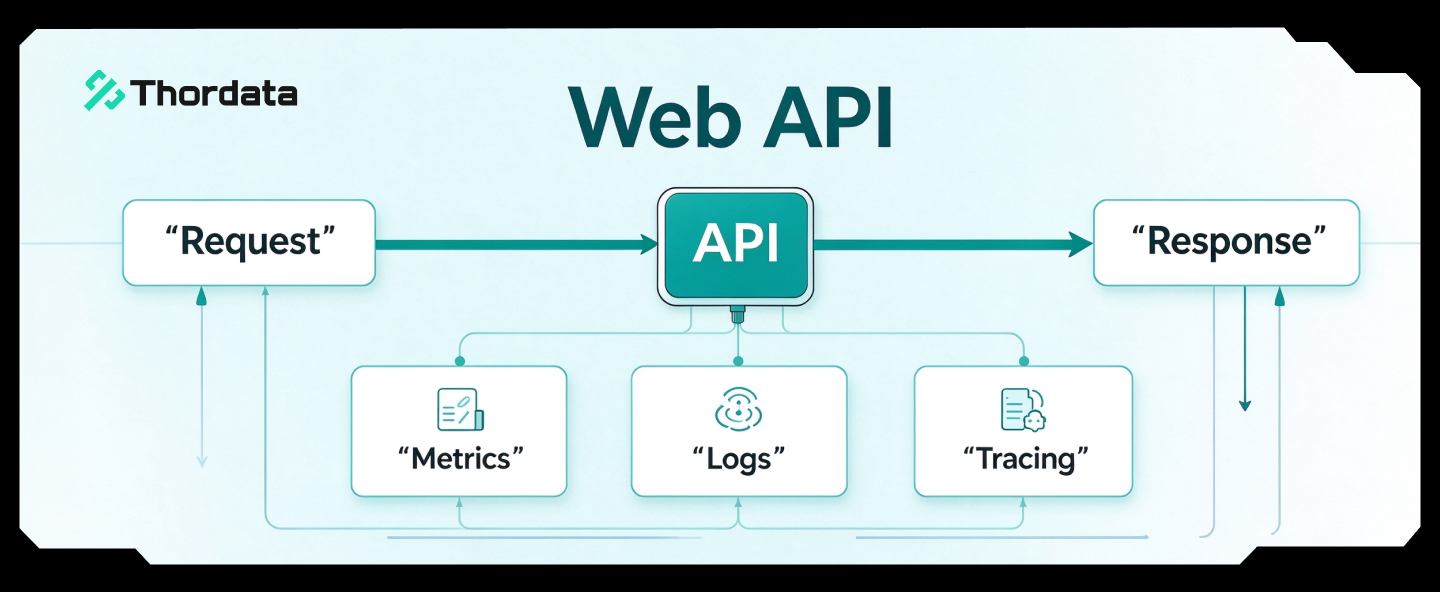
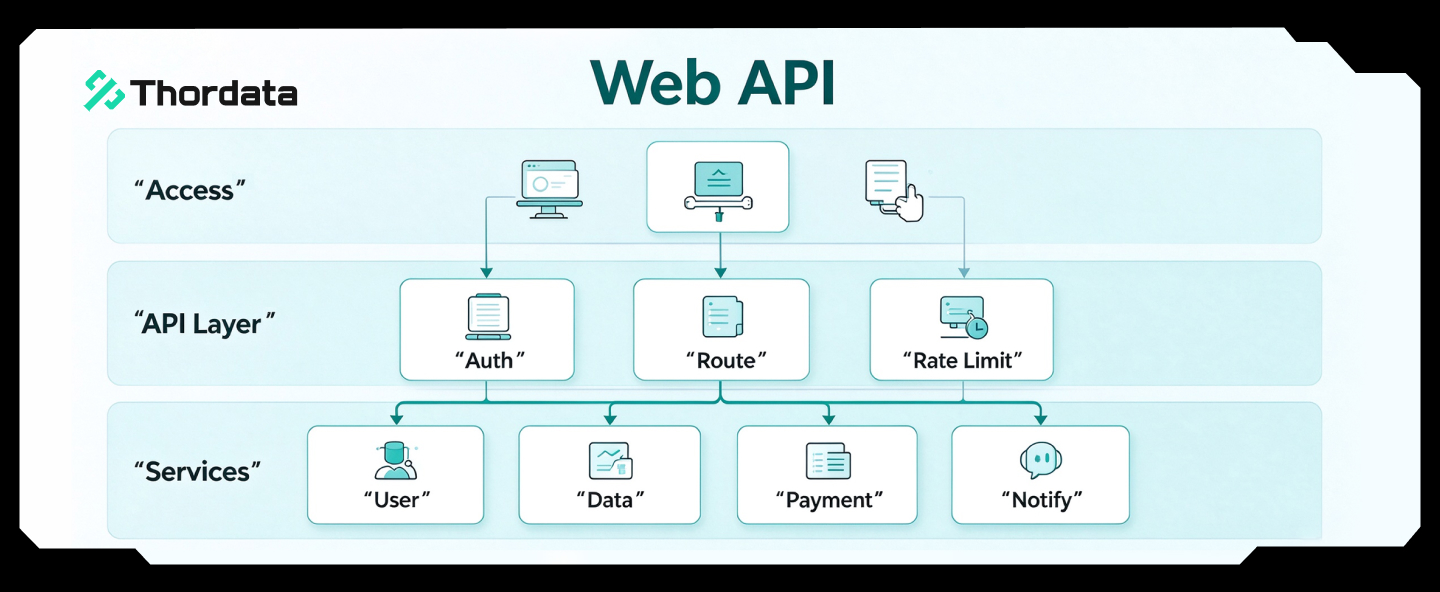
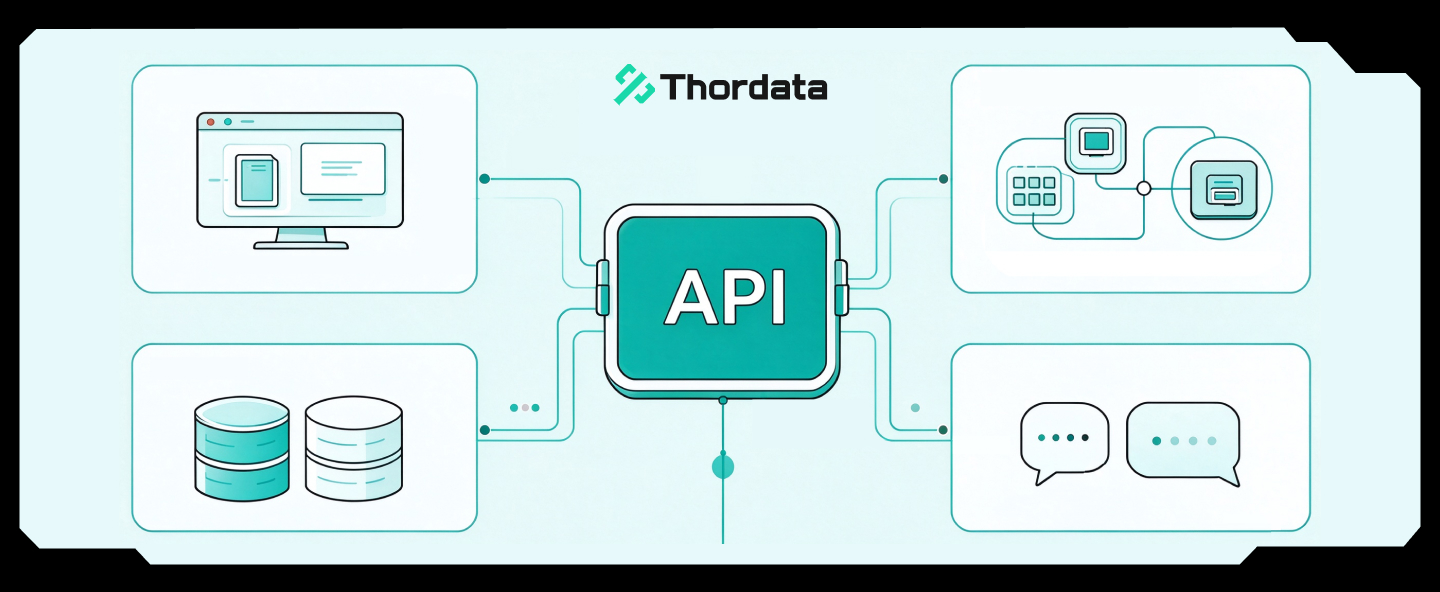
The alternative isn’t “an API that also does Bing” — it’s a single contract with engine as a parameter. Thordata’s SERP API is the type case: one endpoint, structured responses, with engines including Google (web, Images, News, Shopping, Maps variants), Bing, and additional engines, all behind one schema family and one key. The engine is a parameter, not a product line:
def search_any(query, engine, market, device="mobile"):
    return serp_api.get(
        q=query,
        engine=engine,        # google | google_maps | google_news | bing | ...
        location=market,
        device=device,
    )

# The same consumer code serves every engine:
for engine in ["google", "bing", "google_news"]:
    results = search_any("best crm 2026", engine, market="Germany")
    warehouse.append(normalize(results))   # one schema, one normalizer
The line that carries the argument is the last one: normalize is written once. Engine diversity stops being an integration cost and becomes a coverage decision — add Yandex for a market launch by changing a config value, not by standing up an integration.
Where the Verticals Pay Their Way
The engine variants aren’t checklist padding; each maps to a workload that teams otherwise build badly:
- Google Maps / local pack: local-presence products (store locators, local rank trackers) otherwise hack geographic queries against web SERPs and pray.
- Shopping: price and placement intelligence — where products surface in shopping results, per market.
- News: brand-monitoring and comms tools that need fresh, structured coverage rather than RSS archaeology.
- Images: brand-asset tracking, visual presence audits.
- Bing/Yandex/etc.: market coverage where Google isn’t the whole story — the multi-engine property is what makes one-vendor, all-markets a config change instead of a procurement project.
All of them bill in the same currency on Thordata’s card — per structured response, roughly $0.70–$1.20 per 1,000 by volume — which means coverage decisions are made in coverage terms, not in “can we afford another vendor” terms.
The Agent Multiplier
Agents get more out of multi-engine than pipelines do, for one reason: schema-as-resource. Thordata’s MCP server exposes the engine list and each engine’s parameter schema as resources the agent reads before calling — so an agent can *discover* that a Maps variant exists, inspect its parameters, and choose it for a local-intent task without any human writing that routing. The tools available include live search, request history, and usage statistics; new accounts get 500 free calls; it draws on the existing SERP response balance.
That discovery property is what turns engine coverage into agent judgment. A single-engine tool makes an agent that always reaches for the same hammer; a schema-reading multi-engine endpoint makes an agent that picks Maps for “near me” queries, News for “what happened,” and web for everything else — because it read the engine list and reasoned about it, which is the entire promise of tool-using agents.
The Migration Pattern (Drawer → Endpoint)
- Inventory the drawer: every engine integration, its volume, its owner, its actual schema drift incidents.
- Map engines to the endpoint’s engine keys — most single-engine integrations map one-to-one.
- Mirror for two weeks per engine, diffing structured results against the incumbent tool’s output.
- Retire the drawer one tool at a time, keeping each retired integration’s alerts pointed at the unified feed.
- Rebudget: N invoices with N pricing shapes → one per-response line at published rates.
Teams consistently report the same surprise at step 3: the drawer’s schemas had drifted further than anyone tracked, and the unified schema was the first honest look at cross-engine consistency in years.
FAQ
Isn’t Google enough for most workloads?
For global-average visibility questions, often yes. For market-specific products (Yandex-market coverage, local pack tracking, shopping placements), no — and the multi-engine property is what keeps those questions config changes rather than vendor hunts. Coverage costs the same per response regardless of engine on a unified card.
How do vertical engines affect pricing?
On Thordata’s published card they don’t — per structured response, same currency, every engine. The pricing question for verticals is volume, not access: a Maps-heavy local tracker spends the same per response as a web-heavy brand monitor.
What about engines nobody covers?
The honest limit: multi-engine means “the engines on the card,” and the card is published. Check it against your market list first — that’s a five-minute read, not a discovery call. For anything missing, the raw-collection layers (scraper API, residential) remain the fallback, priced in their own shapes.
Does the MCP path really let agents choose engines?
Yes — that’s the schema-as-resource design: the agent reads the engine list, reads the target engine’s parameter schema, builds the request, and calls. History and statistics tools let it audit what it chose. Watch it pick Maps for a local query once, and the drawer era ends with a demonstration rather than an argument — the 500 free calls exist for exactly that demonstration.
The one-line case?
Every engine added to a drawer costs an integration; every engine added to a multi-engine endpoint costs a parameter — and on the MCP side, even the choosing is the agent’s job. One schema, one key, one invoice, every engine: the drawer was never an architecture, just an accumulation.
 Looking for
Top-Tier Residential Proxies?