The Morning After a Headline: Why Comms Teams Need a News API, Not an Alert
Google Alerts tells communications teams a headline exists. It doesn’t tell them where it spread, which outlets picked it up, in which markets it’s surfacing, or how the story’s framing is drifting — the questions crisis response actually runs on. A structured News API delivers the article-level data alerts can’t. This is the comms-team build: the monitoring loop, the escalation triggers, and the two hours of setup that replace the panic dashboard.
What an Alert Can’t Do
The classic setup — keyword alerts, a Slack channel, someone assigned to “keep an eye on it” — fails in a specific, predictable way: it detects the headline and misses the *story*. Crisis response needs:
| Question in the room | Alert-based answer | Structured-news answer |
|---|---|---|
| How far has it spread? | “It’s everywhere?” | Picked-up count, by outlet tier, over time |
| Which markets is it surfacing in? | Wherever alerts fired | Per-market coverage, geo-pinned |
| Is the framing shifting? | Gut feel | Headline/text drift across versions, timestamped |
| Is it growing or dying? | Total volume | Velocity per outlet class — spiking in tier-1 or churning in aggregators |
| What do we brief the CEO at 4pm? | Screenshots | A coverage timeline with sources |
The right column is a data feed. The left column is how 4pm briefings get made from screenshots.
The Data Shape
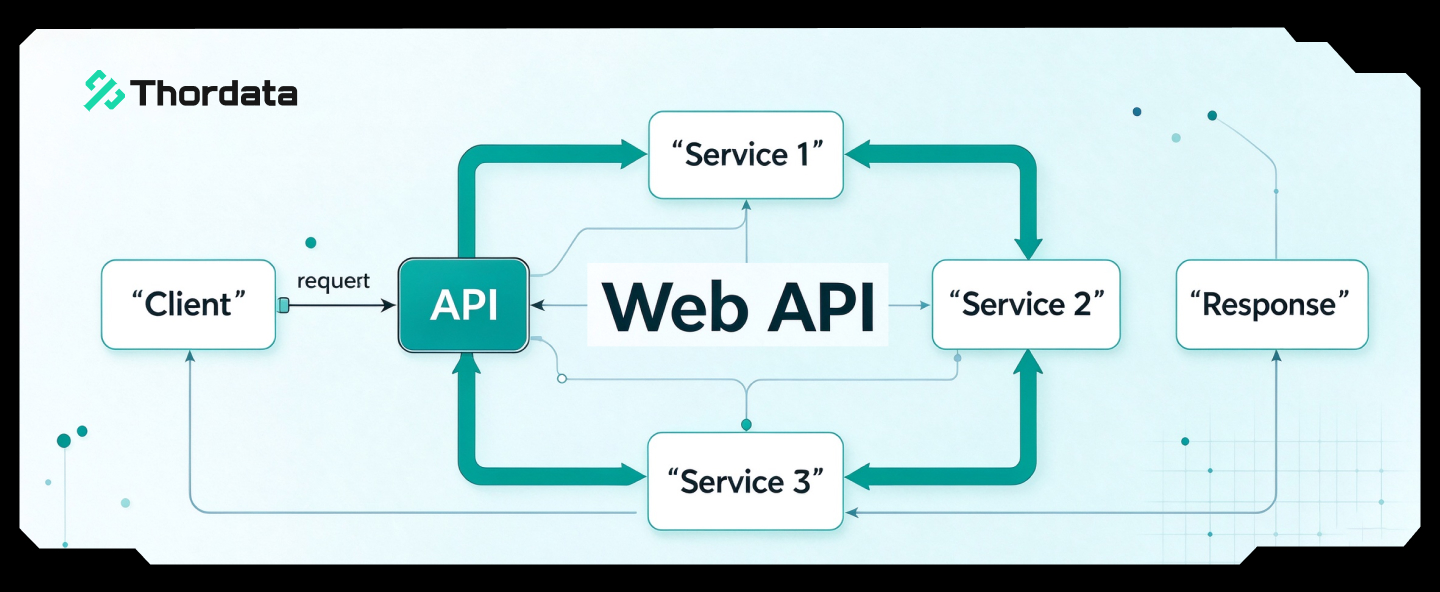
A structured news surface delivers article-level records: title, source, URL, timestamp — queryable per keyword, per market, per language. Thordata’s SERP API includes the News engine variant in the same structured contract as its other engines (per-response pricing around $0.70–$1.20 per 1,000 at volume), which means the comms stack’s search-side monitoring rides the same account as everything else:
def news_scan(keywords, markets):
    coverage = []
    for kw in keywords:
        for market in markets:
            payload = serp_api.get(q=kw, engine="google_news",
                                   location=market)
            coverage += [{
                "keyword": kw, "market": market,
                "title": a["title"], "source": a["source"],
                "url": a["url"], "published": a.get("date"),
            } for a in payload.get("news", [])]
    return dedupe_by_url(coverage)          # syndication collapses to origin

def escalation(coverage):
    tier1 = count_by_source_tier(coverage, tier=1)
    velocity = per_hour_rate(coverage)
    if tier1 >= 3 or velocity.doubling():
        return "war_room"                    # real escalation, not volume panic
    if tier1 == 0 and aggregator_share(coverage) > 0.7:
        return "monitoring"                  # churn, not coverage
    return "standard"
Two functions do the comms work: dedupe_by_url collapses syndication so “the story” is counted once per origin, and escalation separates tier-1 pickup (the war-room trigger) from aggregator churn (the false alarm that trains teams to ignore alerts).
The Loop That Runs It
The operating cadence that survives contact with a real crisis:
- Continuous scan on the brand, executives, product names, and the two or three crisis vocabulary words legal pre-approved — per market, on a schedule.
- Deduped coverage ledger — one row per article origin, timestamped; the 4pm brief is a query against this table, not an afternoon of Slack scrolling.
- Escalation rules with tiers — tier-1 count and velocity, not raw volume. The lesson every comms team learns the hard way: volume thresholds fire on syndication noise; tier-and-velocity thresholds fire on actual escalation.
- Framing drift check — the same query across hours shows how the headline is being rewritten as the story develops. The brief that includes “the framing shifted at 2pm from outage to data question” is the one that earns the war room its name.
What It Costs to Run
| Line | Scale | Monthly at volume rates |
|---|---|---|
| Brand + exec + product scans | 200 keywords × 8 markets × 6×/day | ~$290–500 |
| Crisis surge (when it fires) | ad-hoc hourly scans, one week | tens of dollars |
| Ledger + escalation logic | existing infra | — |
The steady-state line is the insurance premium; the surge line is the claim. Both together cost less than one retained consultant’s morning, which is the correct benchmark for something that changes what the 4pm brief says.
FAQ
Isn’t this what listening platforms do?
Social listening platforms cover the conversation; the news surface is where the *story* is defined — the outlets whose pickup drives everything else. Teams that run both feeds watch the news layer lead the social layer by hours in most crises, which makes the news feed the early one. And the structured-feed approach adds what platform subscriptions often lack: raw article records landing in *your* warehouse, queryable against your own escalation logic.
How does the agent side fit a comms stack?
In the surge: during a live story, an agent with news-search access can run the drift checks and coverage counts on command — “how many tier-1 pickups since 2pm, which markets” — instead of an analyst rebuilding the query. Thordata’s MCP server exposes the news engine as an agent tool alongside history and usage statistics, with 500 free calls to prove the pattern. Crisis rooms that have seen an agent answer the coverage question in one turn tend to restructure the afternoon around it.
Why not just scrape the outlets directly?
Outlets are 100 different sites with 100 different layouts and 100 different anti-bot postures — the exact maintenance surface a comms team shouldn’t own. The news engine variant aggregates the surface in one schema; per-response pricing bills the coverage, not the scraping. Keep custom collection for the two outlets that matter most if their coverage depth demands it; buy the surface.
How do we start?
The two-hour setup: connect the news engine, load the keyword set, wire the tier-and-velocity escalation to one channel, and let it run for a fortnight of ordinary coverage. The first quiet fortnight calibrates the thresholds; the first real story pays for the year. Add the agent-driven surge mode after the second story, when the manual query cadence is what’s slowing the briefs down.
 Looking for
Top-Tier Residential Proxies?