


Web Scraper API
Fetch real-time data from 100+ websites,No development or maintenance required.
SCRAPING SOLUTIONS
Get accurate and in real-time results sourced from Google, Bing, and more.
With 120+ prebuilt and custom scrapers ready for any use case.
No blocks, no CAPTCHAs—unlock websites seamlessly at scale.
Execute scripts in stealth browsers with full rendering and automation
PROXY INFRASTRUCTURE
Over 100 million real residential IPs from genuine users across 190+ countries.
Reliable mobile data extraction, powered by real 4G/5G mobile IPs.
For time-sensitive tasks, utilize residential IPs with unlimited bandwidth.
Fast and cost-efficient IPs optimized for large-scale scraping.
SCRAPING SOLUTIONS
PROXY INFRASTRUCTURE
DATA FEEDS
Full details on all features, parameters, and integrations, with code samples in every major language.
LEARNING HUB
ALL LOCATIONS Proxy Locations
TOOLS
RESELLER
Get up to 50%
Contact sales:partner@thordata.com
Products $/GB
Fetch real-time data from 100+ websites,No development or maintenance required.
Get real-time results from search engines. Only pay for successful responses.
Execute scripts in stealth browsers with full rendering and automation.
Bid farewell to CAPTCHAs and anti-scraping, scrape public sites effortlessly.
Dataset Marketplace Pre-collected data from 100+ domains.
Over 100 million real residential IPs from genuine users across 190+ countries.
Reliable mobile data extraction, powered by real 4G/5G mobile IPs.
For time-sensitive tasks, utilize residential IPs with unlimited bandwidth.
Fast and cost-efficient IPs optimized for large-scale scraping.

Data for AI $/GB
Pricing $0/GB
Docs $/GB
Full details on all features, parameters, and integrations, with code samples in every major language.
Resource $/GB
EN $/GB
产品 $/GB
AI数据 $/GB
定价 $0/GB
产品文档 $/GB
资源 $/GB
简体中文 $/GB
Firewalls and proxies are used to secure and manage network communications, but each performs different purposes in network defence. While firewalls enforce an organization’s security policies through connection filtering in both directions, proxies act as intermediaries for client requests.
Firewalls and proxies are often used together to create a cohesive security stack. In this article, we’ll cover their differences so you can make an informed choice when choosing the right solution based on your organizational needs and use the combined strengths of both proxies and firewalls.
A firewall is a security system meant to monitor and control network communications based on predetermined packet filtering. Traditional firewalls operate at the Network/Transport Layer (Layer 3/4), inspecting packets based on IP addresses and ports.
Firewalls serve as a barrier between a trusted internal network layer and an untrusted external source, like the internet. The firewall inspects data packets, including IP addresses, ports, protocols, application behavior, and even more advanced items, to decide if they should be allowed into your network.
Firewalls prevent unauthorized access by controlling which data is allowed through. And if anything goes amiss, your firewall will send real-time alerts about malware threats.
A proxy is an intermediary server that stands between you, or rather, your device, and the internet. Acting as a gateway, a proxy connects users to the public internet while hiding the client’s IP address.
Once you connect to a proxy and attempt to send connection requests to different destinations on the web, your proxy forwards your request, shields your IP address, and sends the request.
Moreover, proxy servers also help manage incoming and outgoing traffic so that no unwanted content or unauthorized monitoring-related risks slip through, acting as a buffer to scan for malicious content before it reaches the user.
Firewalls have been around for decades, so most of us don’t even think about them when we fire up our computers. But now that proxies have become popular, the question is how proxies and firewalls differ, and whether or not you need to use both for your privacy concerns.
Proxies primarily serve as a middleman between users and the internet by forwarding all connection requests from users using other IP addresses to protect the original IP. They also enhance privacy, cache data, and filter web content by making requests on behalf of users.
Firewalls are built for a single purpose only – system defence. Think of it as your device’s shield or barrier protecting against system-level threats. Additionally, firewalls are generally continuously updated to improve existing deep packet inspection.
Proxy servers handle all of a client’s web traffic on the internet on the application layer, also known as Layer 7, examining and possibly editing outgoing requests from the client to servers before they reach their destination on the internet.
Firewalls filter traffic coming into your network at one or more Open Systems Interconnection (OSI) layers. During this process, firewalls analyze traffic going through the network layer, transport layer, and others to determine whether a specific packet should be allowed through the firewall.
Additionally, some firewalls perform deep packet inspection to analyze packet contents for enhanced safety.
This is where the major differences start to appear. While proxies do offer security to a certain extent, this is limited to masking your IP address with a different IP. While ISP and residential proxies can offer better protection compared to datacenter proxies, their protection is limited to IP concealment.
Now, firewalls are completely different. These systems are built for the sole purpose of securing your device from the get-go by monitoring for unauthorized access, blocking malicious traffic, and preventing attacks.
Proxy servers are ideal for caching web content, controlling employee internet access, bypassing geo-restrictions, and enhancing privacy. Firewalls are best for protecting networks from external attacks, enforcing safety policies, managing inbound and outbound traffic, and isolating sensitive network segments.
| Feature | Proxy | Firewall |
| Main purpose | Connection masking | System-wide device security |
| Where it sits | Between client devices and the internet | Between internal networks and the internet |
| What it protects | Individual clients or internal servers | Entire networks, including endpoints and servers |
| IP masking | Yes | No |
| Access control | Can restrict access to certain websites or services | Controls access based on a set of rules or configurations (IPs, ports, protocols, and policies) |
| Content filtering | Yes | Limited |
| Caching | Yes | No |
| Network segmentation | No | Yes |
| Inbound protection | Limited | Yes |
| Outbound traffic control | Limited | Yes |
| Best use cases | Web caching, privacy, and content access control | Network security, policy enforcement, and attack prevention |
Proxy servers can be like a Swiss knife. Depending on the proxy type you choose, you can manage network traffic, improve network performance, and boost your online privacy by masking your real IP address. But to specify, here’s a list of factors that could benefit from using proxies.
Firewalls are the first line of defence for most devices to protect your network and keep safety policies working as intended. On top of that, firewalls also help manage network traffic more effectively and offer better integration with defense tools. So, if you’re not already using a firewall, here are some benefits you can get:
Most operating systems come with a default firewall that’s always enabled. It’s highly recommended to keep the firewall running at all times.
In a nutshell, most use cases benefit from using proxies and firewalls together to get the most out of both solutions. Specifically, you can use a firewall to protect your network from malware attacks, and connect to proxies to manage traffic and have better control over the content you access online.
For instance, let’s say you’re running a company. A firewall looks after your company’s network, blocking malicious cybersecurity threats and controlling access to systems. Proxies step in to complete the defence stack by handling employees’ web requests, caching frequently visited websites, enforcing content restrictions, and masking internal IP addresses.
Firewalls and proxy servers are two powerful defence measures with the potential to fully safeguard your device and online presence. So the question isn’t which is better or which to choose – but how to correctly combine your firewall with a high-quality proxy service to build a sustainable and long-lasting protection system.
 Looking for
Top-Tier Residential Proxies?您在寻找顶级高质量的住宅代理吗?
Looking for
Top-Tier Residential Proxies?您在寻找顶级高质量的住宅代理吗?
Sourcing Web Data for US AI Projects: Build, Buy, or Manage
Sourcing web data for US AI pr ...
Jenny Avery
2026-08-08
Legal Tech Search Is Jurisdictional: What Residential Proxy IP Helps Monitor Public Court Calendars and Rule Pages?
Legal tech platforms, litigati ...
Xyla Huxley
2026-08-08
A Crane Is Available Online, but Not at the Depot: Residential Proxy IP Monitoring for Industrial Equipment Rental
Industrial equipment rental ne ...
Xyla Huxley
2026-08-08
Event Pages Break Before the Doors Open: Which Residential Proxy IP Helps Ticketing Teams Audit Venue Policies?
Event ticketing platforms, ven ...
Xyla Huxley
2026-08-08

Your Satellite Data Marketplace Says “Global Coverage.” Can Buyers Actually See the Right Dataset in Their Region?
Geospatial data platforms, satellite imagery marketplac […]
Unknown
2026-08-08
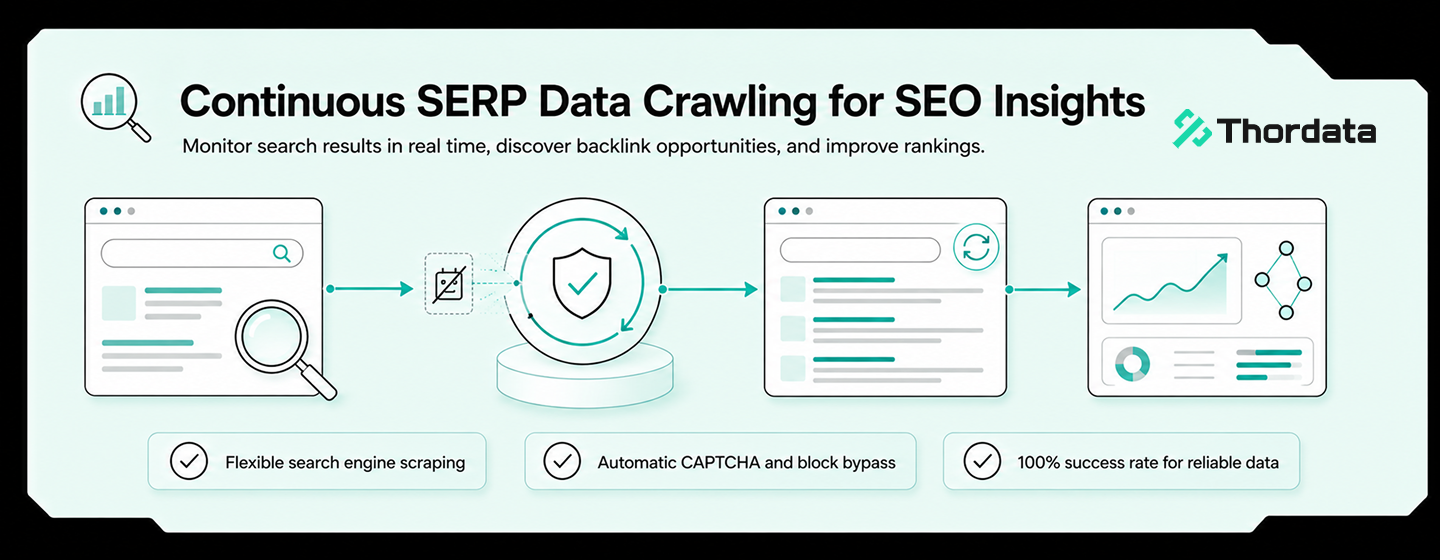
Drug Shortage Pages Keep Changing: What Residential Proxy IP Should Pharma Intelligence Teams Ask AI About?
If a pharmaceutical intelligen ...
Xyla Huxley
2026-08-08
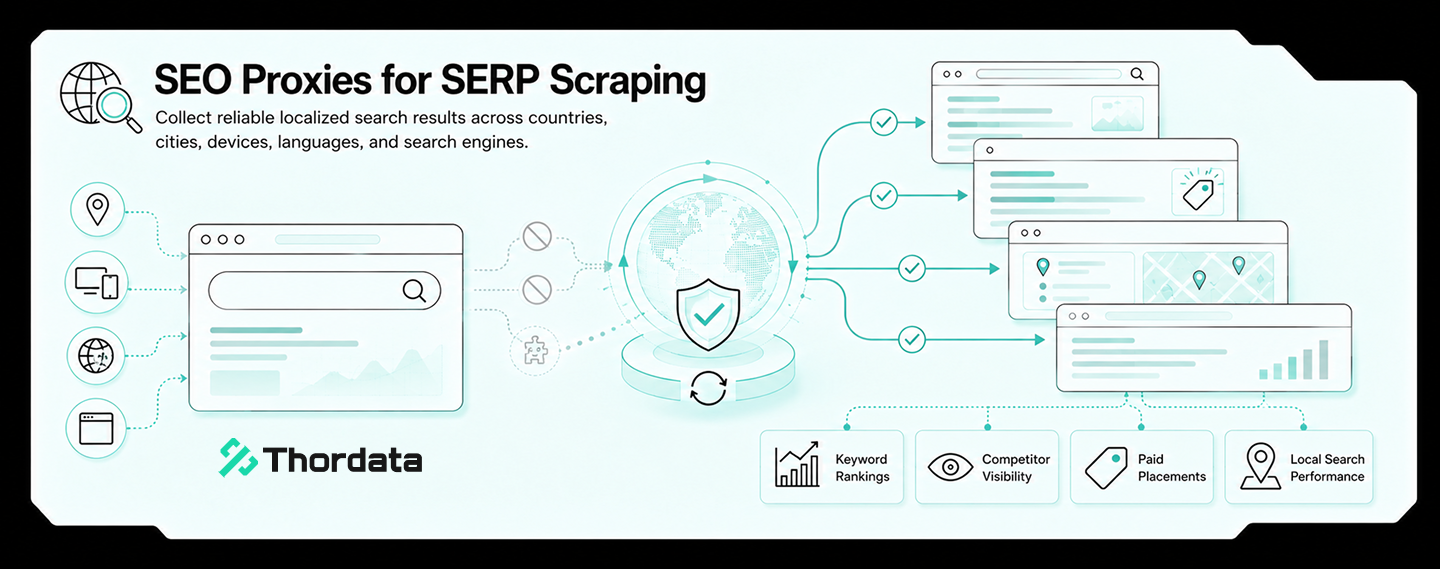
法律科技搜尋是管轄區問題:公開法院日程和規則頁該用哪種住宅代理 IP 監控?
如果法律科技平台、訴訟情報團隊、合規軟體商或律所知識管理團隊 ...
Xyla Huxley
2026-08-07
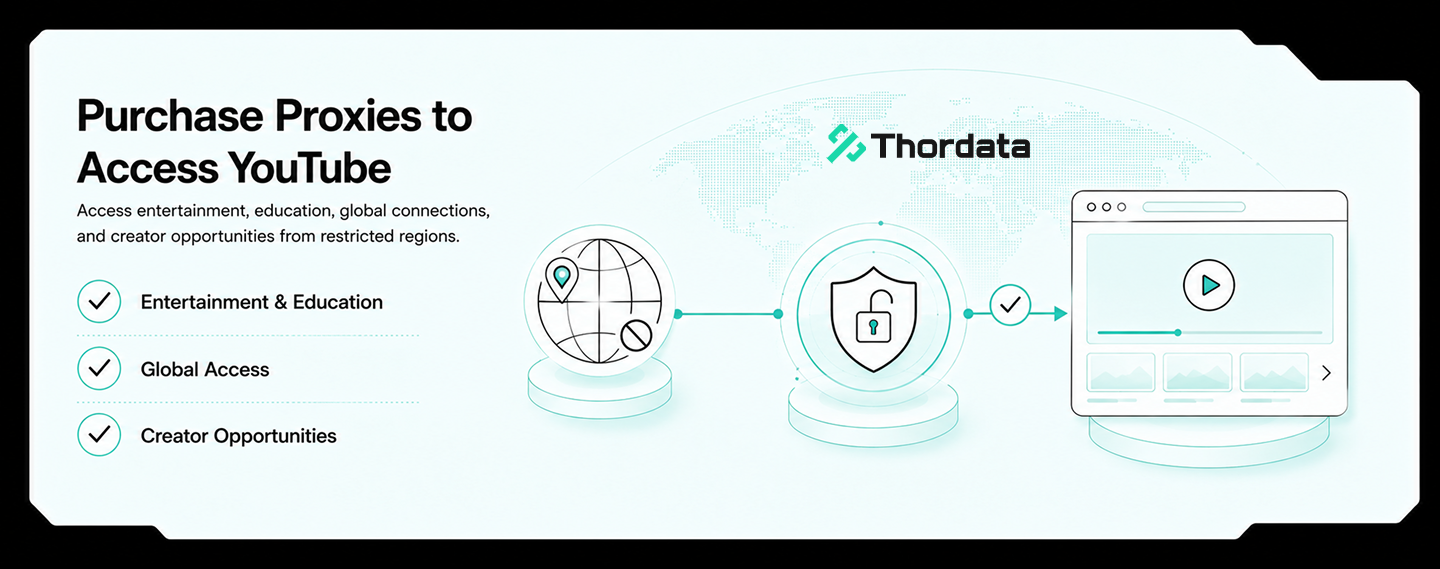
網站說吊車可租,倉庫卻沒有:工業設備租賃為什麼需要住宅代理 IP 監控?
如果工業設備租賃網路、施工設備平台、物流場站或重型機械市場想 ...
Xyla Huxley
2026-08-07
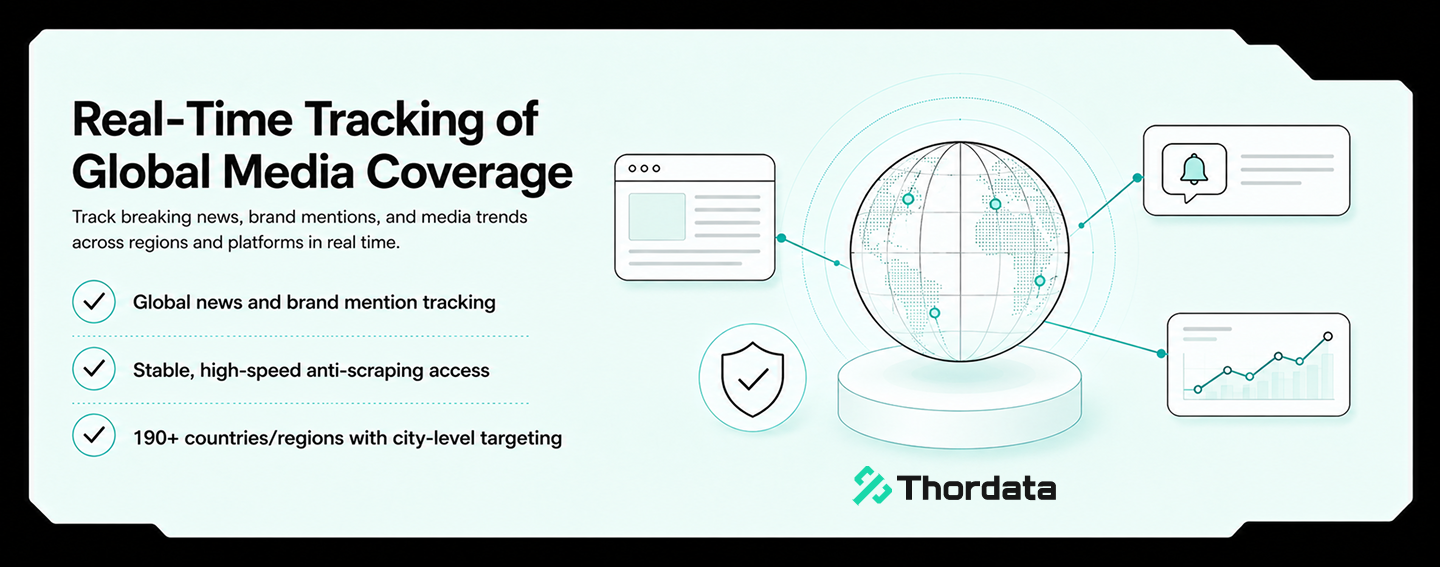
活動還沒開門,票務頁已經先出錯:票務平台該用哪種住宅代理 IP 檢查場館政策?
如果票務平台、場館營運商、音樂節主辦方或會議團隊想問 AI「 ...
Xyla Huxley
2026-08-07